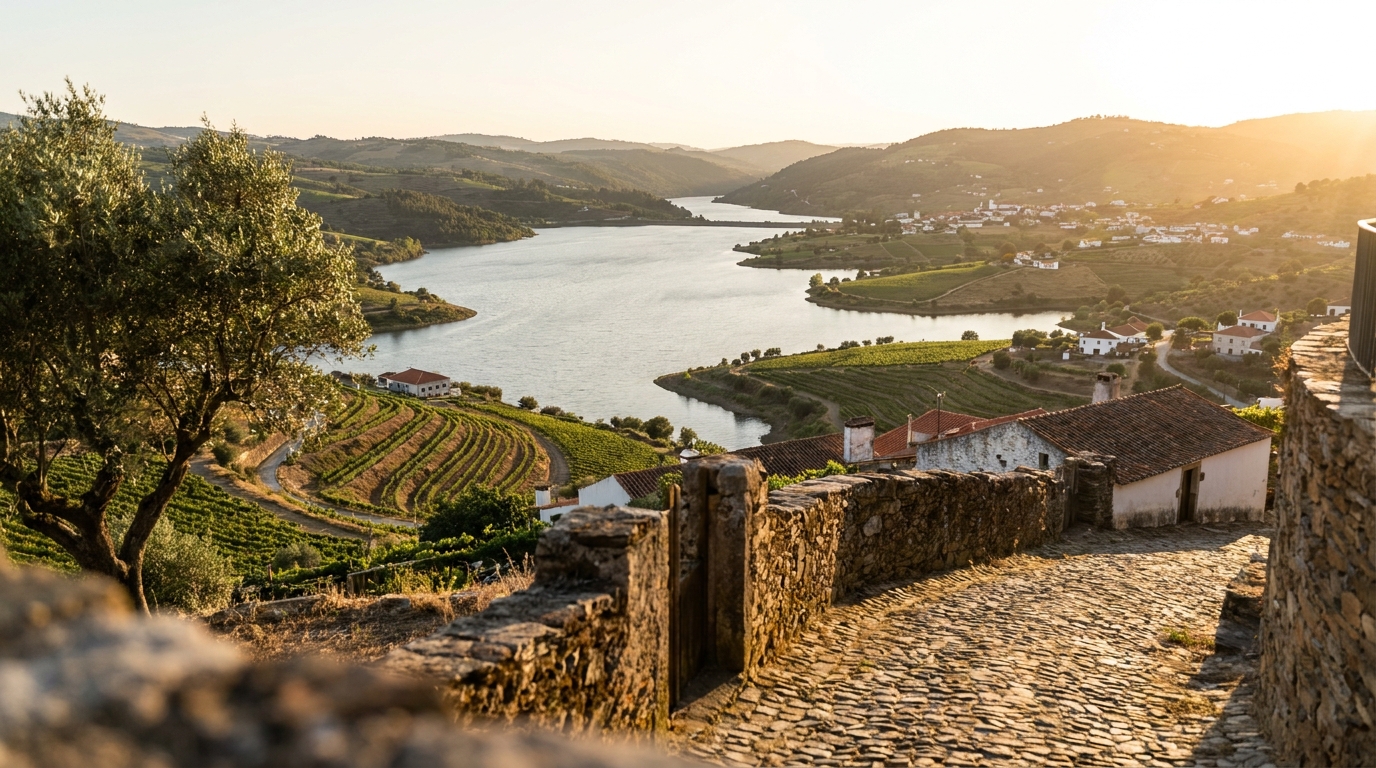
Beyond its famed coastline, Portugal boasts an array of stunning inland lakes and reservoirs, perfect for nature lovers and water sports enthusiasts alike. From the lush mountains of Gerês to the tranquil plains of the Alentejo, these aquatic havens offer serene escapes and adventurous pursuits. Prepare to uncover some of mainland Portugal's most beautiful hidden gems.
1. Albufeira da Caniçada, Peneda-Gerês National Park
Nestled within the breathtaking Peneda-Gerês National Park, the Albufeira da Caniçada is a jewel of the north. Surrounded by verdant mountains and traditional villages, this large reservoir is a hub for outdoor activities. Visitors can enjoy kayaking, paddleboarding, and swimming in its clear, refreshing waters. Boat tours are also available, offering unique perspectives of the park's dramatic landscapes and hidden coves. The area is perfect for hiking, with numerous trails leading to stunning viewpoints and waterfalls, such as the famous Cascata do Tahiti (Fecha de Barjas). Accommodation ranges from charming guesthouses to larger hotels, often with lake views. The most comfortable way to reach Caniçada from Porto (approximately 1.5 hours driving) is with a private driver — we recommend our local partner Portugal Magik. This allows for flexible stops to appreciate the scenery.2. Albufeira do Castelo de Bode, Central Portugal
As one of Portugal's largest reservoirs, the Albufeira do Castelo de Bode offers an expansive playground for water sports, located conveniently in Central Portugal, near the historic city of Tomar. Its extensive shoreline is dotted with marinas, river beaches, and secluded spots ideal for swimming, fishing, and sunbathing. Activities include water skiing, wakeboarding, jet-skiing, and sailing, with equipment hire readily available. The reservoir's numerous arms and inlets create a diverse landscape, inviting exploration by boat or kayak. Many charming riverside villages offer local cuisine and a glimpse into rural Portuguese life. From Lisbon, the drive to Castelo de Bode takes approximately 1 hour 45 minutes, making it an excellent option for a day trip or a longer stay. Access roads are well-maintained, leading directly to various leisure areas around the lake.3. Albufeira do Azibo, Trás-os-Montes
In the less-explored region of Trás-os-Montes, the Albufeira do Azibo stands out with its pristine Blue Flag certified river beaches. This natural landscape protected area is renowned for its ecological value and tranquil atmosphere. The two main beaches, Praia da Fraga da Pegada and Praia da Ribeira, offer excellent facilities, including changing rooms, picnic areas, and lifeguard supervision during the summer months. The calm, warm waters are perfect for families with children. Beyond swimming, visitors can cycle or walk along the designated paths that loop around the lake, observing diverse birdlife and local flora. Paddleboats and kayaks are available for hire. The journey from Porto to Azibo takes around 2.5 hours, traversing scenic northern landscapes. It's a fantastic destination for those seeking peace, natural beauty, and a chance to experience authentic rural Portugal away from the crowds.Always respect local regulations, especially concerning protected natural areas. Take all your rubbish with you and avoid disturbing wildlife to preserve these beautiful environments for everyone.
Costs & Timing for Your Lake Exploration
Visiting Portugal’s lakes generally offers a range of options for varying budgets. Entry to the lakes and their public access points is typically free. However, activities such as boat rentals (kayaks, paddleboards, motorboats), organised tours, and specific water sports lessons will incur separate fees. These can range from budget-friendly hourly rentals to more premium, full-day experiences. For private transfers to and from these destinations, pricing depends on group size, vehicle type, and specific route; it’s best to request a tailored quote from a service like Portugal Magik for precise arrangements. The best time to visit these lakes depends on your priorities. For swimming and water sports, the warmer months from June to September are ideal, though they can be busier. Spring (April-May) and Autumn (October) offer pleasant temperatures for hiking and exploring, with fewer crowds and vibrant natural colours. Winter can be tranquil and beautiful, especially in Gerês, but water activities are less common, and some facilities may operate on reduced hours.Frequently Asked Questions
Are the lake waters safe for swimming?
Yes, many of Portugal's lakes and reservoirs, especially those with designated river beaches like Azibo, are regularly tested and certified for swimming. Always look for official signage or check local information for current conditions.
What kind of water sports can I do on Portuguese lakes?
You can enjoy a wide array of water sports including kayaking, paddleboarding, canoeing, swimming, fishing, windsurfing, sailing, water skiing, wakeboarding, and jet-skiing. Equipment rental is often available at larger lake access points and marinas.
Are there facilities available at these lake locations?
Most popular lake destinations, particularly those with designated river beaches, offer facilities such as changing rooms, toilets, picnic areas, and often cafes or restaurants. More remote spots may have fewer amenities.
Is it possible to stay overnight near these lakes?
Absolutely. Accommodation options range from campsites and rural guesthouses to boutique hotels and resorts, especially around popular areas like Gerês and Castelo de Bode. Booking in advance, particularly during peak season, is advisable.
Are the lakes suitable for families with children?
Yes, many lakes are highly suitable for families. River beaches often have calm, shallow waters perfect for children. Areas like Albufeira do Azibo are particularly family-friendly with good facilities and safe swimming conditions.
What wildlife might I encounter around the lakes?
The lakes are rich in biodiversity. You might spot various bird species, including waterfowl and birds of prey, along with otters, deer, and diverse insect life, especially in protected natural areas like Gerês and Azibo.
Are there hiking trails around the lakes?
Yes, many lakes, particularly those within national parks or protected landscapes, feature well-marked hiking and cycling trails. These paths offer opportunities to explore the surrounding nature and enjoy scenic views.
How accessible are these lakes for visitors with mobility issues?
Accessibility varies significantly by location. Some modern facilities and river beaches may offer ramp access and adapted amenities, while more natural or remote areas might be less accessible. It is best to check specific locations beforehand.