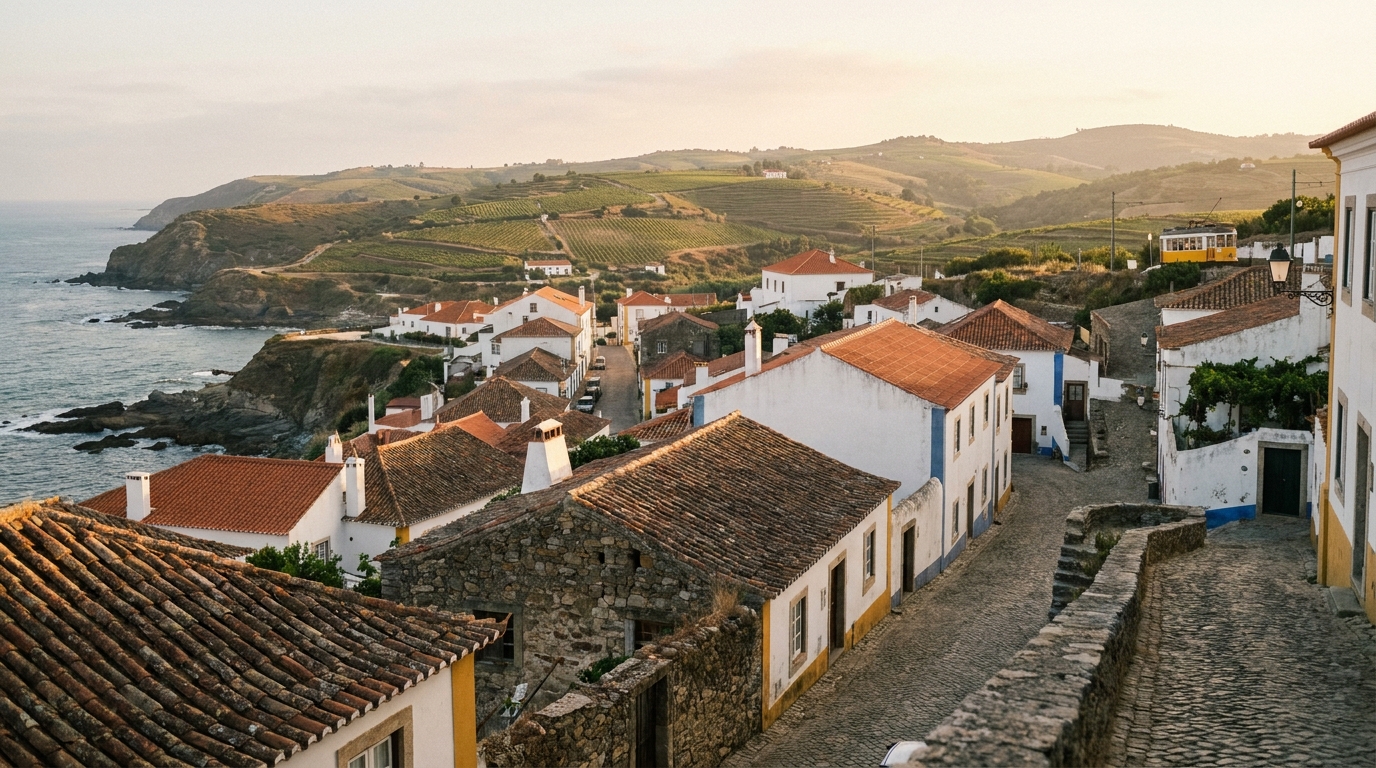
Portugal, a nation rich in history and blessed with diverse landscapes, consistently captivates travellers. From sun-kissed beaches to ancient cities, its charm is undeniable. For those seeking an unforgettable European experience, next year presents an ideal opportunity to explore this remarkable country, offering a blend of culture, cuisine, and captivating scenery.
Discovering Portugal's Rich Heritage and Vibrant Cities
Portugal boasts an incredibly rich history, evident in its UNESCO World Heritage sites and ancient cityscapes. Lisbon, the capital, offers a compelling mix of old-world charm and contemporary vibrancy. Explore the narrow, winding streets of Alfama, marvel at the São Jorge Castle, or enjoy a scenic ride on the iconic yellow tram through the historic districts. Further north, Porto enchants with its riverside setting, impressive bridges, and the famed Port wine cellars across the Douro River in Vila Nova de Gaia. Beyond these major hubs, the mediaeval city of Évora in the Alentejo region, with its Roman Temple and Capela dos Ossos, provides a fascinating glimpse into Portugal's past. For a truly magical experience, Sintra's romantic palaces and lush gardens, just a short journey from Lisbon, are a must-see. The most comfortable way to navigate between these historic gems and other regional highlights is with a private driver — we recommend our local partner Portugal Magik, ensuring a seamless and personalised journey.Exploring Diverse Landscapes and Exquisite Gastronomy
From the dramatic cliffs of the Algarve to the terraced vineyards of the Douro Valley, Portugal's natural beauty is incredibly varied. The southern coast, known for its golden beaches and picturesque coves, offers relaxation and watersports under abundant sunshine. Inland, the vast plains of the Alentejo are dotted with cork oaks, olive groves, and charming white-washed villages, perfect for tranquil escapes and stargazing. The central region provides mountainous landscapes and historic villages, ideal for hiking and exploring traditional Portuguese life. Complementing these stunning backdrops is Portugal's world-renowned cuisine. Seafood, fresh from the Atlantic, is a staple, from grilled sardines to bacalhau (codfish) prepared in countless ways. Don't miss the chance to savour local delicacies like pastel de nata, a rich custard tart, or to sample regional wines, including the robust reds of the Alentejo and the crisp whites of Vinho Verde. Each region offers its unique culinary delights, making every meal an adventure.Embracing a Welcoming Culture and Favourable Climate
Portugal is celebrated for its warm hospitality and welcoming atmosphere, making visitors feel right at home. The pace of life is generally relaxed, encouraging you to slow down and savour the moments. The country also benefits from an excellent climate, with over 300 days of sunshine annually. Summers are warm and dry, particularly in the south, while spring and autumn offer mild temperatures perfect for sightseeing and outdoor activities. Even winter is relatively gentle, especially along the coast, providing a pleasant escape from colder European climates and fewer crowds. This combination of friendly locals, fantastic weather, and an overall sense of safety contributes to a truly enjoyable travel experience. Whether you're seeking cultural immersion, adventurous exploration, or simply a relaxing break, Portugal delivers a compelling proposition with its exceptional blend of accessibility and authentic charm.Rather than trying to see the entire country in one go, consider focusing on one or two regions to truly immerse yourself in their unique culture and landscapes, allowing for a more relaxed and enriching experience.
When to Visit and What to Expect Cost-Wise
The best time to visit Portugal largely depends on your preferences. Spring (April to May) and Autumn (September to October) offer pleasant, mild weather, ideal for exploring cities and countryside without the summer heat or crowds. Summer (June to August) is perfect for beach holidays, though popular areas will be busier. Winter (November to March) provides a quieter experience, particularly in the cities, with cooler temperatures but still plenty of sunshine. Regarding costs, Portugal generally offers good value compared to many Western European destinations. Accommodation ranges from budget-friendly hostels and guesthouses to mid-range boutique hotels and premium resorts. Dining out can be very affordable in local tascas, while fine dining establishments offer a more premium experience. Many attractions, such as churches and public gardens, are free to enter, while museums and historical sites typically require an entry ticket; check their official websites for current prices. For private transfers and bespoke tours, pricing depends on group size, vehicle type, and the specific route or itinerary, so it's always best to request a tailored quote.Frequently Asked Questions
What is the best way to travel between Portuguese cities?
For comfort and convenience when travelling between cities like Lisbon, Porto, or Évora, a private driver is highly recommended. This allows for flexible scheduling and a personalised journey.
What kind of weather can I expect in Portugal?
Portugal enjoys a mild Mediterranean climate. Summers are warm and dry, especially in the south. Spring and autumn offer pleasant, moderate temperatures, while winters are generally mild, particularly along the coast.
Is Portugal an expensive destination?
Compared to some other Western European countries, Portugal offers good value. Accommodation, dining, and activities can cater to various budgets, from affordable options to more premium experiences.
What are some must-try Portuguese foods?
You must try bacalhau (codfish dishes), grilled sardines, pastel de nata (custard tart), and various regional pastries. Don't forget to sample the local wines, including Port wine from Porto.
Is Portugal a safe country for tourists?
Yes, Portugal is generally considered a very safe country for tourists. As with any travel destination, it's wise to be aware of your surroundings, especially in crowded tourist areas.
Do people speak English in Portugal?
In major tourist areas, hotels, and restaurants, you'll find that many people speak English, particularly younger generations. Learning a few basic Portuguese phrases is always appreciated by locals.
How long should I plan for a trip to Portugal?
For a comprehensive visit exploring a couple of regions, a trip of 7 to 10 days is often ideal. For a more relaxed pace or to delve deeper into multiple areas, two weeks would be highly beneficial.
What are the common local transport options within cities like Lisbon or Porto?
Within cities, walking is an excellent way to explore. Taxis and ride-sharing apps like Uber or Bolt are readily available. For a scenic experience in Lisbon, a ride on the historic yellow tram is also popular.