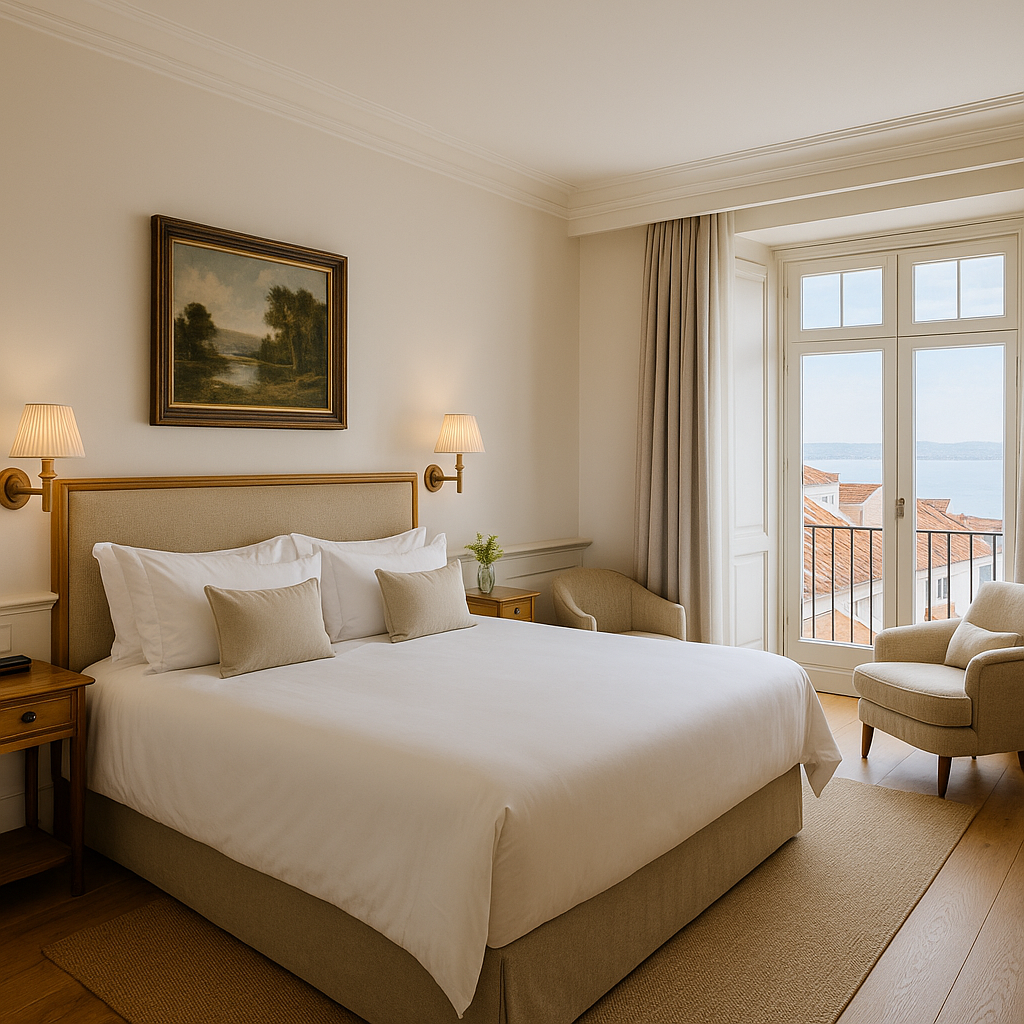
Lisbon, a city of captivating hills, historic charm, and vibrant culture, promises an unforgettable experience in 2025. This practical guide cuts through the noise to highlight the ten must-visit places, ensuring you make the most of your time in Portugal's capital. Prepare to explore ancient alleys, grand monuments, and breathtaking viewpoints, all without the usual travel guide fluff.
Exploring Lisbon's Historic Heart: Alfama, Castle & Cathedral
Begin your Lisbon journey in the ancient **Alfama District** (1), the city's oldest neighbourhood. Its labyrinthine streets, charming squares, and traditional Fado houses offer a glimpse into authentic Lisbon. Wander aimlessly, discover hidden viewpoints, and soak in the atmosphere. Perched atop one of Lisbon's highest hills, **São Jorge Castle** (2) offers panoramic views over the city and the Tagus River. Explore its battlements, peacocks roaming freely, and archaeological site for a true historical immersion. A short walk from the castle, you'll find the **Lisbon Cathedral (Sé de Lisboa)** (3), the city's oldest church, dating back to 1147. Its Romanesque architecture and twin bell towers are iconic. Finally, descend to **Praça do Comércio** (4), a majestic riverside square that historically served as the gateway to Lisbon. It's a grand space for a stroll, offering stunning views of the Tagus. Navigating these central areas is best done on foot, though taxis, Uber, or Bolt are readily available for convenience, especially when tackling Lisbon's famous hills. A ride on the iconic yellow tram can also be a scenic way to experience these districts.Discoveries and Grandeur: Belém's Maritime Legacy
No visit to Lisbon is complete without exploring Belém, the district from which Portugal's great explorers embarked on their voyages of discovery. The iconic **Belém Tower** (5), a UNESCO World Heritage site, stands proudly at the river's edge, a symbol of the Age of Discoveries. Its intricate Manueline architecture is a sight to behold. Just a short walk away is the magnificent **Jerónimos Monastery** (6), another UNESCO gem. This grand monastery, commissioned by King Manuel I, is an architectural masterpiece, with its ornate cloisters and church housing the tomb of Vasco da Gama. The intricate stonework and sheer scale are truly impressive. Close by, the imposing **Padrão dos Descobrimentos (Monument of the Discoveries)** (7) commemorates Portugal's explorers and their patrons, offering a powerful tribute to a pivotal era in history. To reach Belém from central Lisbon, a taxi, Uber, or Bolt will take approximately 15-20 minutes, offering a comfortable and direct journey. Alternatively, a private driver provides seamless travel, allowing you to easily combine Belém with other attractions further afield – we recommend our local partner Portugal Magik for bespoke services.Panoramic Views and Modern Lisbon: From Heights to the Future
Lisbon is famous for its breathtaking viewpoints, or 'miradouros'. The **Santa Justa Lift** (8), while a functional elevator, is primarily a tourist attraction offering spectacular views over Baixa and Rossio. Its intricate ironwork, designed by an apprentice of Gustave Eiffel, makes it a unique landmark. For perhaps the most stunning panoramic view, head to **Miradouro da Senhora do Monte** (9). Perched high above the city, it offers an unrivalled vista of the castle, the river, and rooftops stretching to the horizon – particularly magical at sunset. Be prepared for a steep walk, or opt for a taxi, Uber, or Bolt to reach this elevated spot. Finally, experience modern Lisbon at **Parque das Nações** (10). Built for Expo '98, this riverside district offers contemporary architecture, beautiful gardens, and a relaxed atmosphere. It's a stark contrast to the historic centre, showcasing Lisbon's dynamic evolution. Getting to Parque das Nações from central Lisbon typically takes around 20-25 minutes by taxi, Uber, or Bolt, making it an easy excursion for a different perspective on the city.For the most authentic and efficient way to explore Lisbon and its surroundings, consider booking a private walking tour with a local guide who can share invaluable insights and navigate the city's hidden gems.
Costs & Timing for Your Lisbon Journey
Lisbon offers experiences across a range of budgets. Many of the city's charms, such as wandering historic districts or enjoying the views from miradouros, are entirely free. Entry fees for major attractions like São Jorge Castle or Jerónimos Monastery are generally accessible; always check their official websites for the most current ticket prices. Dining options vary from budget-friendly local taverns to premium fine-dining establishments. For private transfers or bespoke day tours, pricing depends on group size, vehicle choice, and the specific route or itinerary. We recommend requesting a tailored quote for these services. To comfortably explore the ten places listed and soak in the city's atmosphere, a minimum of three to four full days in Lisbon is advisable. This allows for a relaxed pace, time to revisit favourite spots, and perhaps an evening dedicated to a Fado performance or a scenic sunset cruise on the Tagus. For those wishing to include day trips to nearby Sintra or Cascais, allocate an additional day or two.Frequently Asked Questions
What is the best time of year to visit Lisbon?
The ideal times to visit Lisbon are spring (March to May) and autumn (September to October). The weather is pleasant, with fewer crowds than the peak summer months, making it perfect for exploring on foot.
How should I get around Lisbon?
Lisbon is a city best explored on foot, especially in its historic districts. For longer distances or navigating hills, taxis, Uber, or Bolt are readily available and convenient. A ride on the iconic yellow tram offers a scenic experience, though it can be crowded.
Is Lisbon a walkable city?
Yes, Lisbon is highly walkable, particularly within its individual districts. However, be prepared for steep hills and cobblestone streets. Comfortable footwear is essential. Taxis, Uber, or Bolt can help you cover longer distances between neighbourhoods.
What local foods should I try in Lisbon?
You must try Pastel de Nata (custard tarts), Bacalhau à Brás (shredded cod with onions and potatoes), grilled sardines, and Ginjinha (cherry liqueur). Explore local markets and tascas for authentic flavours.
Is Lisbon an expensive city to visit?
Compared to some other major European capitals, Lisbon is generally considered mid-range to budget-friendly, especially for food and local experiences. Accommodation can range from economical hostels to premium hotels. It’s possible to enjoy the city on various budgets.
Are there good day trips from Lisbon?
Absolutely. Popular day trips include the fairytale palaces of Sintra, the coastal charm of Cascais, and the historic Roman and Moorish city of Évora. For comfortable and flexible travel to these destinations, we recommend arranging a private driver.
How many days are enough to see Lisbon?
To experience the main highlights of Lisbon at a comfortable pace, we recommend a minimum of three to four full days. This allows time for exploration, cultural experiences, and enjoying the city's atmosphere without feeling rushed.
What currency is used in Lisbon?
The official currency used in Lisbon, and throughout Portugal, is the Euro (€). Credit and debit cards are widely accepted, but it's always useful to carry some cash for smaller purchases or local markets.