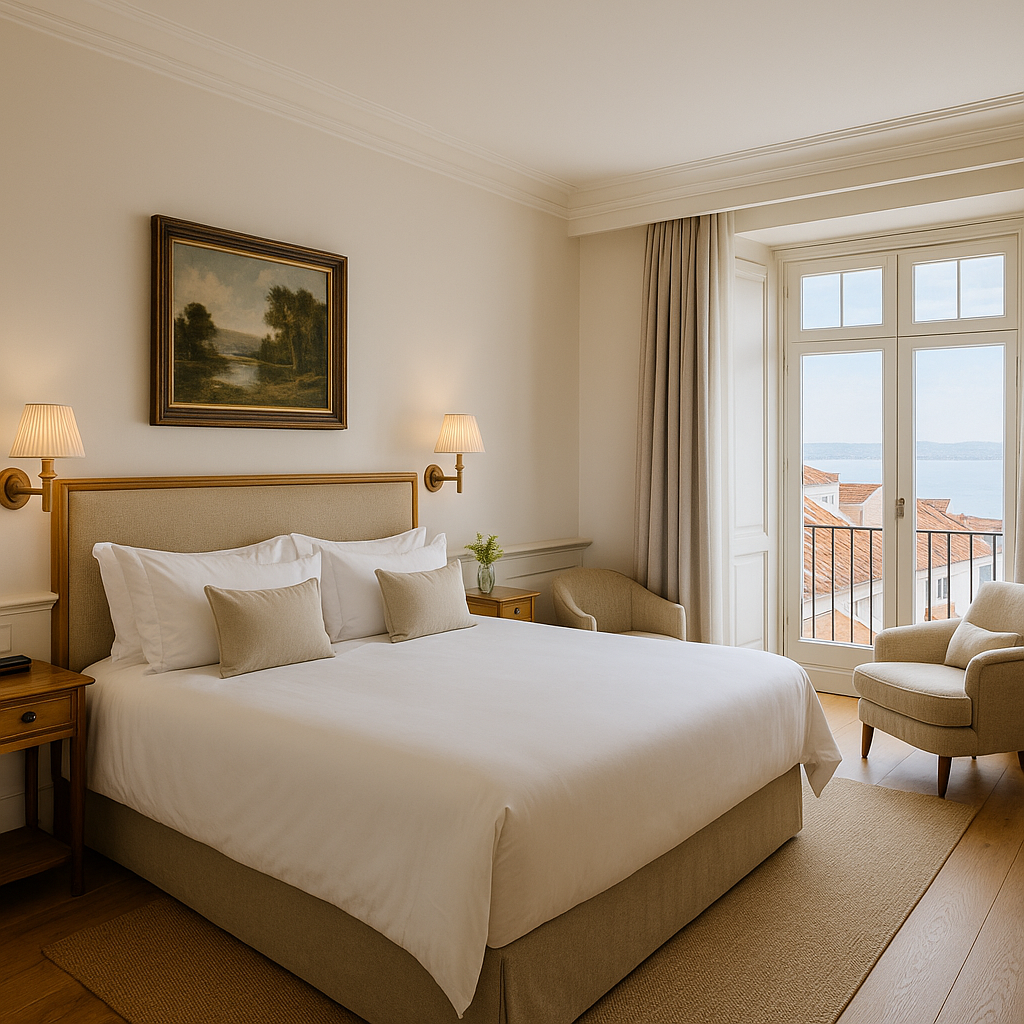
Beyond Lisbon's iconic trams, historic castles, and vibrant Fado houses lies a city brimming with lesser-known treasures. For those seeking an authentic and uncrowded experience, venturing off the beaten path reveals a different, more intimate side of the Portuguese capital. This guide unveils ten of Lisbon's most captivating hidden wonders, promising unique discoveries for your next visit.
Why Explore Lisbon's Hidden Gems?
While the main attractions of Lisbon certainly warrant a visit, the true charm of the city often resides in its quieter corners. Exploring these offbeat locations allows you to escape the bustling tourist crowds and connect with the local atmosphere on a deeper level. You'll uncover unique historical sites, tranquil gardens, and quirky museums that offer a fresh perspective on Lisbon's rich heritage and contemporary culture. These hidden wonders provide a more intimate understanding of the city's soul, revealing stories and beauty often overlooked by hurried itineraries. It's an opportunity to discover your own personal favourite spots, fostering a memorable and truly unique travel experience that goes beyond the typical postcard views.Navigating Lisbon's Lesser-Known Spots
Exploring Lisbon's hidden gems often involves a combination of pleasant walking and short rides. Many of these sites are tucked away in residential neighbourhoods or require a little effort to reach, making the journey part of the adventure. For local movements within the city, walking is often the most rewarding way to discover the charming streets and unexpected viewpoints, especially in areas like Alfama or Graça. For slightly longer distances or to save time, taxis, Uber, or Bolt services are readily available and convenient. While the famous yellow trams offer a scenic ride, particularly Tram 28, it’s best for a short, iconic experience rather than primary transport for reaching specific hidden spots efficiently. Consider grouping attractions by their general location to minimise travel time and maximise your exploration.Always wear comfortable walking shoes; Lisbon's charm often comes with steep hills and cobbled streets, making good footwear essential for enjoyable exploration.
Crafting Your Offbeat Itinerary
When planning to visit these hidden wonders, consider their geographical proximity to create an efficient and enjoyable itinerary. For example, you could combine the Jardim Botânico Tropical and Museu da Água as they are both located in the Belém area. The Igreja de São Domingos is centrally located, making it easy to incorporate into a day exploring Baixa or Rossio. For attractions slightly further afield, such as the Palácio dos Marqueses de Fronteira, a short taxi or ride-share service is ideal. If you're looking to explore multiple dispersed locations in comfort without worrying about navigation, a private driver offers a seamless and personalised experience, allowing you to maximise your time at each unique spot. Remember to check opening hours for each location, as some smaller museums or less-frequented sites may have varied schedules.Frequently Asked Questions
Are these hidden attractions suitable for families with children?
Many of these spots, such as the Museu da Marioneta, Jardim Botânico Tropical, and even the unique interior of Igreja de São Domingos, can be engaging for families. The gardens offer space for children to explore, and the museums provide interesting visual experiences. Cemitério dos Prazeres might be more suited for older children due to its historical nature.
How much time should I allocate for each hidden gem?
For most of the smaller museums like Casa-Museu Dr. Anastácio Gonçalves or Museu da Marioneta, allocate 1 to 1.5 hours. Gardens such as Jardim do Torel or Jardim Botânico Tropical can be enjoyed for 1 to 2 hours, depending on your pace. For larger sites like Palácio dos Marqueses de Fronteira, plan for 2 to 3 hours to fully appreciate the gardens and interiors. Churches and viewpoints might take 30-45 minutes.
Are these sites accessible for visitors with mobility issues?
Accessibility varies greatly among these older, often historic sites. Some gardens and museums may have ramps or lifts, but many Lisbon attractions, especially those on hills or with cobbled paths, present challenges. It's advisable to check the official website of each specific attraction for detailed accessibility information before your visit.
Do I need to book tickets in advance for these hidden wonders?
For most of these lesser-known attractions, pre-booking tickets is generally not essential, as they tend to be less crowded than major sites. However, for special events, guided tours (like at Reservatório da Patriarcal), or during peak season, checking their official website for current entry requirements and booking options is always a good practice. Most entry fees are qualitative (budget-friendly to mid-range).
What's the best time of year to visit Lisbon's offbeat spots?
Spring (April-May) and Autumn (September-October) are ideal, offering pleasant temperatures for walking and fewer crowds than the peak summer months. Winter can also be a good time for indoor attractions, though some gardens might be less vibrant. Summer is hot and busy, but the hidden gems still offer a reprieve from the main tourist areas.
Are there any hidden culinary gems near these attractions?
Absolutely. Many of these hidden wonders are nestled in authentic neighbourhoods, often close to local tascas (traditional eateries) or pastelarias (pastry shops) that serve delicious, budget-friendly Portuguese cuisine. Exploring the streets around these attractions often leads to delightful culinary discoveries. Look for places frequented by locals for an authentic experience.
Can I combine these hidden gems with more popular Lisbon sights?
Yes, it's entirely possible and often recommended to mix and match. For instance, you could visit the Jardim Botânico Tropical in Belém as a tranquil contrast to the bustling Jerónimos Monastery. Or, explore the Igreja de São Domingos after seeing the Santa Justa Lift. Grouping geographically allows for a balanced itinerary that blends iconic landmarks with unique, offbeat discoveries.
Is it safe to explore these less-travelled areas of Lisbon?
Lisbon is generally a very safe city for tourists. The less-travelled areas are typically residential and welcoming. As with any urban exploration, it's always wise to be aware of your surroundings, especially at night, and keep an eye on your belongings. Stick to well-lit areas after dark, and you'll find these hidden gems offer a peaceful and secure experience.