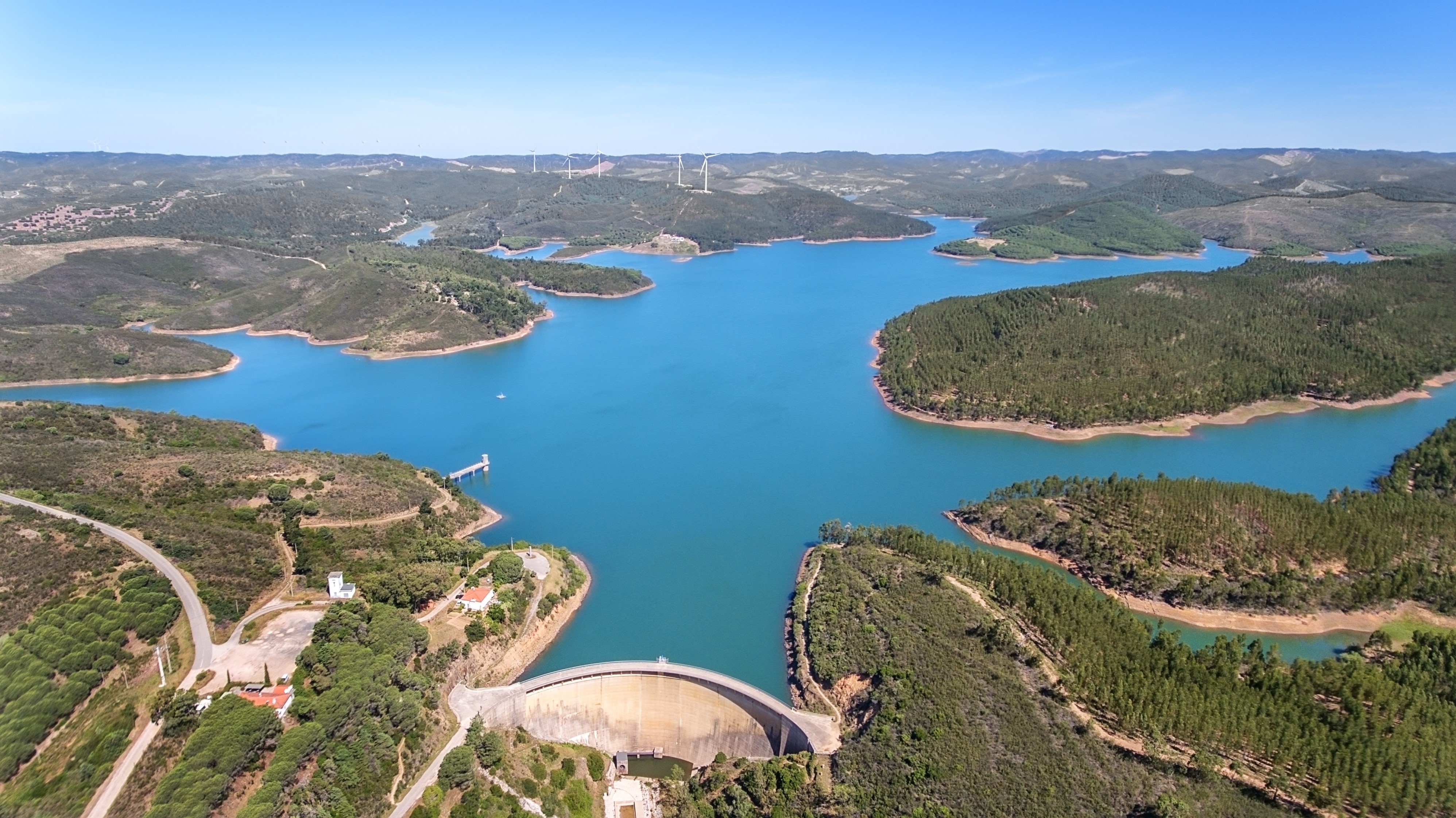
Alentejo, Portugal's largest region, offers a captivating journey through rolling plains, historic towns, and a pristine coastline. This land of olive groves, cork oaks, and ancient traditions provides an authentic Portuguese experience far from the bustling cities. Prepare to discover a rich heritage, exquisite gastronomy, and breathtaking landscapes at your own pace.
Navigating Alentejo's Expansive Landscapes
The Alentejo stretches from the Tagus River south to the Algarve, and from the Spanish border to the Atlantic coast. Its sheer vastness means that exploring this region is best done with comfort and flexibility. While discovering the Alentejo, the most comfortable way to navigate between its charming towns and scenic spots is with a private driver. This allows you to set your own schedule, make spontaneous stops, and enjoy the scenery without the stress of unfamiliar roads. A journey from Lisbon to the heart of Alentejo, such as Évora, typically takes around 1.5 to 2 hours, covering approximately 130 kilometres. For longer routes, such as reaching the Alentejo coastline from Lisbon, expect a drive of 2 to 2.5 hours. We recommend our local partner Portugal Magik for a seamless experience.Discovering Alentejo's Diverse Charms
The Alentejo region truly offers something for every traveller, from UNESCO World Heritage sites to stunning natural parks and serene beaches. Our curated selection of ten amazing places provides a diverse cross-section of what makes this region so special. Each destination offers unique insights into Portugal's history, culture, and natural beauty. Whether you're drawn to medieval castles, Roman temples, or sun-drenched coastal villages, the Alentejo promises memorable experiences that will linger long after your visit. Prepare to be enchanted by its authentic character.When exploring the Alentejo, embrace the slow pace of life. Many smaller towns observe a traditional 'siesta' in the afternoon, with shops and some establishments closing for a few hours. Plan your visits accordingly, perhaps enjoying a long lunch or relaxing by a pool during this time.
Practical Considerations: Costs & Timing
Planning your Alentejo adventure requires considering the time of year and the duration of your stay. Spring (April-May) and Autumn (September-October) offer the most pleasant weather for exploring, avoiding the intense summer heat. A comprehensive tour covering several of the recommended places would ideally span 5 to 7 days, allowing for a relaxed pace without feeling rushed. Accommodation options range from charming guesthouses and rural tourism farms (turismo rural) to boutique hotels and luxury estates, catering to various preferences and budgets. For bespoke experiences, such as private vineyard tours or historical site visits, it is advisable to request tailored quotes based on your group size and specific interests. While many attractions are free to enter, some historical sites or museums may require an entrance fee; check their official websites for current ticket prices.Frequently Asked Questions
What is the best time of year to visit Alentejo?
Spring (April-May) and Autumn (September-October) are ideal, offering pleasant temperatures for exploring the region's diverse landscapes and historic towns. Summers can be very hot, especially inland.
How many days should I allocate for visiting Alentejo?
To truly experience a good selection of the region's highlights, we recommend a minimum of 5 to 7 days. This allows for a balanced pace of exploration and relaxation.
Is Alentejo an expensive region to visit?
Compared to some other European destinations, Alentejo can be considered mid-range. While luxury options exist, you can also find budget-friendly guesthouses and excellent value for money in dining.
What kind of food should I expect in Alentejo?
Alentejo cuisine is hearty and flavourful, known for its slow-cooked pork dishes, lamb stew, migas (bread-based side dish), and an abundance of fresh bread, olive oil, and regional cheeses.
What should I pack for a trip to Alentejo?
Pack comfortable walking shoes for exploring historic towns, light clothing for warmer months, and layers for cooler evenings. Don't forget sun protection, a hat, and swimwear if visiting the coast or a hotel with a pool.
Is Alentejo suitable for family travel?
Absolutely. With its wide-open spaces, castles, and beautiful beaches, Alentejo offers plenty for families. Many rural tourism accommodations are also very family-friendly.
Are there many vineyards and wine-tasting opportunities?
Yes, Alentejo is one of Portugal's premier wine regions. There are numerous wineries (adegas) offering tours and tastings, producing excellent red, white, and rosé wines.
Is English widely spoken in Alentejo?
In tourist-focused areas and larger towns like Évora, you'll find English speakers. In smaller, more remote villages, it's less common, but a few basic Portuguese phrases will be greatly appreciated.