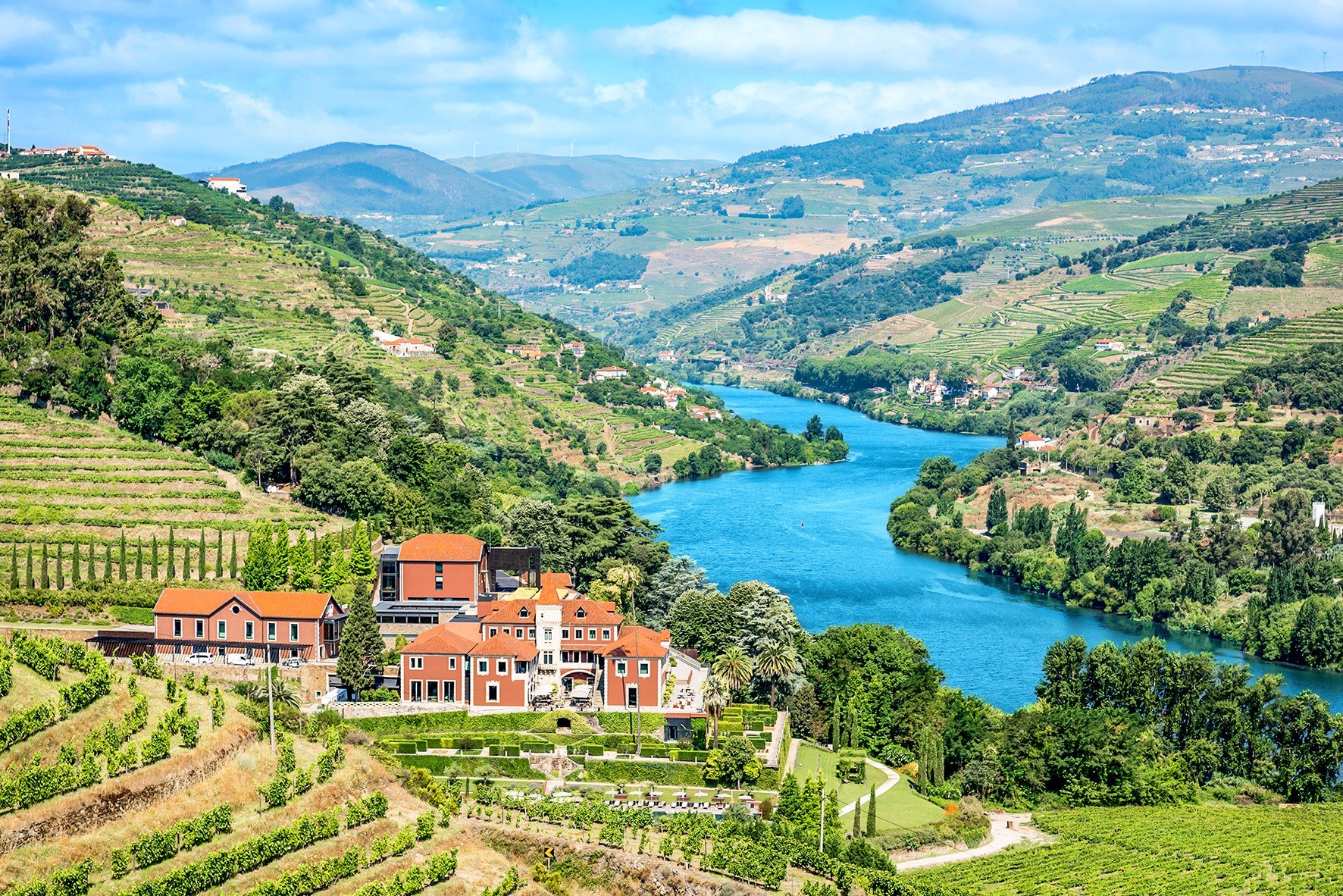
Port wine, Portugal's most celebrated fortified wine, is a symbol of history, craftsmanship, and the rugged beauty of the Douro Valley. From its vibrant ruby hues to the complex notes of an aged Tawny, this unique beverage offers a journey for the senses. Join us as we explore the essence of Port, a true testament to Portuguese viticulture and tradition, perfect for sipping and savouring.
What is Port Wine?
Port wine originates exclusively from the Demarcated Douro Region in northern Portugal, a UNESCO World Heritage site renowned for its dramatic, terraced vineyards carved into schistous hillsides. Its unique character stems from the traditional production process: fermentation of the grapes (primarily indigenous varieties like Touriga Nacional, Touriga Franca, and Tinta Roriz) is halted by the addition of a grape spirit, resulting in a naturally sweet, fortified wine. This fortification not only preserves the wine's sweetness but also increases its alcohol content, making it exceptionally age-worthy. The history of Port is deeply intertwined with British merchants who, in the 17th century, fortified wines to ensure their stability during the long sea voyage back to England. Today, the wines are transported from the Douro Valley to the historic cellars in Vila Nova de Gaia, across the Douro River from Porto, where they undergo their crucial ageing process, developing their distinct styles and complex flavours.Exploring the Douro Valley
To truly appreciate Port wine, a journey into the breathtaking Douro Valley is essential. This region, sculpted by millennia of viticulture, offers unparalleled views of terraced vineyards clinging to steep slopes. Key towns like Peso da Régua and Pinhão serve as gateways to this winemaking heartland. Visitors can explore numerous *quintas* (wine estates) that dot the landscape, offering insightful tours of their vineyards and cellars, followed by guided tastings of their exquisite Port and unfortified Douro wines. Many quintas also provide accommodation and dining, allowing for an immersive experience. The most comfortable way to reach the heart of the Douro Valley from Porto (approximately 1.5 to 2 hours' drive to Peso da Régua) or Lisbon (roughly 3.5 to 4 hours' drive) is with a private driver — we recommend our local partner Portugal Magik. Pricing depends on group size, vehicle and route; request a tailored quote. Once there, you can also enjoy scenic boat trips along the Douro River, offering unique perspectives of the stunning scenery.Always check the opening hours and book your cellar tours or quinta visits in advance, especially during peak season, to ensure availability and the best experience.
Frequently Asked Questions
What is the typical price range for a Port wine tasting tour?
The cost for Port wine tasting experiences varies significantly based on the type of cellar or quinta, the number and quality of wines tasted, and whether food pairings or guided tours are included. You can find options ranging from budget-friendly introductory tastings to more premium, in-depth experiences. We recommend checking the official websites of the specific Port lodges or quintas for their current offerings and pricing.
What are some recommended food pairings with Port wine?
Port wine is incredibly versatile with food. Ruby Port, particularly LBV, pairs wonderfully with strong cheeses (like Stilton or Serra da Estrela) and dark chocolate desserts. Tawny Port, with its nutty and caramel notes, is superb with nuts, dried fruits, crème brûlée, or apple tart. White Port, especially the drier styles, makes an excellent aperitif, often served chilled with roasted almonds or as a refreshing Port Tonic (mixed with tonic water and a slice of lemon).
Is there a dress code for visiting Port cellars or quintas?
Generally, there is no strict dress code for visiting Port cellars in Vila Nova de Gaia or quintas in the Douro Valley. Smart casual attire is usually appropriate. You may be walking through cellars that can be cooler and potentially damp, so comfortable shoes are advisable. For more upscale tasting experiences or dining at a quinta, a slightly more refined smart casual approach would be suitable.
Is tipping customary when visiting Port cellars or for private drivers?
Tipping is appreciated in Portugal, though not always strictly expected as it might be in some other countries. For exceptional service during a Port cellar tour, a small gratuity for your guide is a kind gesture. For private drivers, especially after a full day or multi-day trip, a tip reflecting your satisfaction with their service and professionalism is common and well-received. The amount is at your discretion, typically around 5-10% of the service cost.
Are reservations required for Port wine tastings or tours?
Yes, reservations are highly recommended, and often essential, especially for tours at popular Port lodges in Vila Nova de Gaia and for visits to quintas in the Douro Valley. Booking in advance ensures availability, particularly during peak tourist season or for specific language tours. For bespoke experiences or private tours, pre-booking is always necessary. It's best to check the individual establishment's website or contact them directly.
What are the typical opening hours for Port cellars and quintas?
Opening hours for Port cellars in Vila Nova de Gaia generally run from mid-morning (e.g., 10:00 or 10:30) until early evening (e.g., 18:00 or 19:00), with some closing for lunch or having reduced hours on weekends and public holidays. Quintas in the Douro Valley often have similar hours, though some may offer more flexible or extended hours for guests staying on-site. It is always advisable to verify the specific opening times and any seasonal variations directly with the cellar or quinta before your visit.