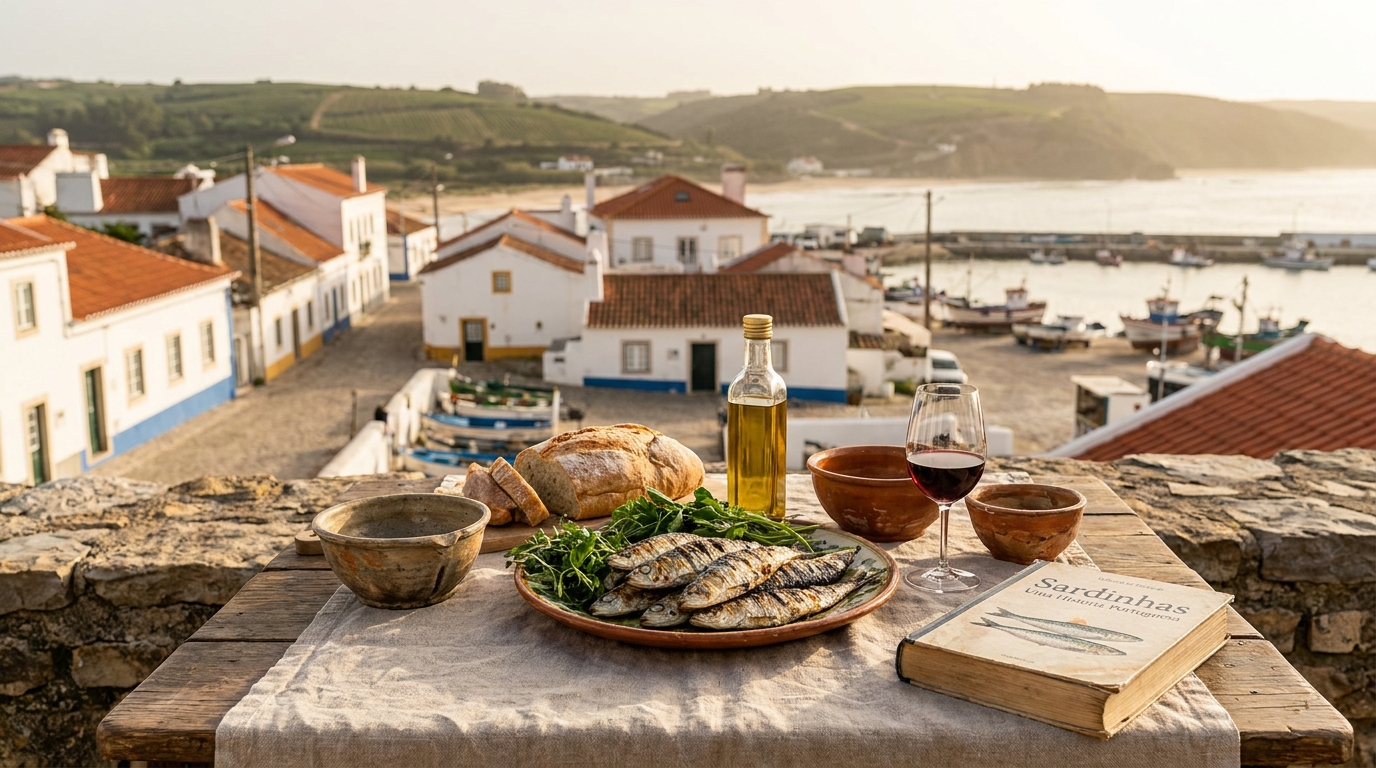
In Portugal, the humble sardine transcends mere sustenance; it is a symbol woven deep into the fabric of national identity, culture, and cuisine. From the shimmering Atlantic waters to vibrant city festivals, these small silver fish have played an indelible role in the country's story for centuries. Join us on a culinary journey to explore the rich history that makes the sardine an undisputed icon of Portuguese gastronomy.
The Sardine's Enduring Legacy
The relationship between Portugal and the sardine stretches back millennia, rooted in a bountiful coastline and a seafaring heritage. Ancient communities consumed them, but their importance truly escalated during the Age of Discoveries, becoming a vital food source for sailors. The 19th and 20th centuries saw the boom of the sardine canning industry, transforming coastal towns like Portimão and Matosinhos into thriving industrial hubs. These 'conservas' provided economic prosperity and democratised access to fish, becoming a household staple and significant export. Today, the sardine’s historical significance culminates in the annual Festas de Santo António in Lisbon, where the aroma of grilled sardines fills the air, celebrating tradition and community. This deep-seated history ensures that sardines are not just food, but a cherished part of Portugal's soul, best enjoyed fresh from the grill.Where to Eat / Experience Sardines
To truly immerse yourself in Portugal's sardine culture, certain locales stand out. Lisbon, particularly during the June festivities, offers an unparalleled experience with street vendors grilling sardines in historic neighbourhoods like Alfama and Mouraria. Beyond the capital, coastal cities are paramount. Portimão in the Algarve is historically renowned for its sardine canning industry and boasts excellent waterfront restaurants. Matosinhos, near Porto, is another fishing hub where you'll find numerous 'marisqueiras' and traditional 'tascas' specialising in grilled fish, including glorious sardines. To venture from Lisbon to the Algarve or the northern coast with ease, the most comfortable way to reach these destinations is with a private driver — we recommend our local partner Portugal Magik, ensuring a seamless journey allowing you to focus on the culinary delights. Look for restaurants with a simple, rustic charm, where the aroma of charcoal grilling signals authentic sardine preparations.For the best experience, always seek out fresh sardines during their peak season, typically from June to September, when they are at their fattest and most flavourful.
Frequently Asked Questions
What is the typical price range for sardines in Portugal?
Grilled sardines are generally budget-friendly, especially during festival season. Gourmet canned sardines range from mid-range to premium, depending on brand and rarity.
Are there any vegetarian options for someone dining with sardine lovers?
Portuguese cuisine offers many delicious vegetarian side dishes like 'salada mista,' 'batatas cozidas,' 'arroz de feijão,' or 'grelos.' Many restaurants also offer other vegetarian starters or main courses.
Is there a specific dress code to enjoy a sardine meal?
Not at all. Eating sardines, especially at traditional tascas or street festivals, is a casual and relaxed affair. Comfortable attire is perfectly suitable.
Is tipping customary when eating sardines in Portugal?
Tipping is appreciated but not mandatory. For excellent service, a small tip of around 5-10% is a kind gesture. For casual spots, rounding up the bill is common.
Do I need to make reservations to eat sardines?
For popular restaurants, especially in major cities or during peak season and festival times, making a reservation is highly advisable. For smaller tascas, expect a wait during busy hours.
What are the typical opening hours for restaurants serving sardines?
Most restaurants serve lunch from around 12:30 PM to 3:00 PM and dinner from 7:30 PM to 10:30 PM or 11:00 PM. Conservarias generally follow retail hours.