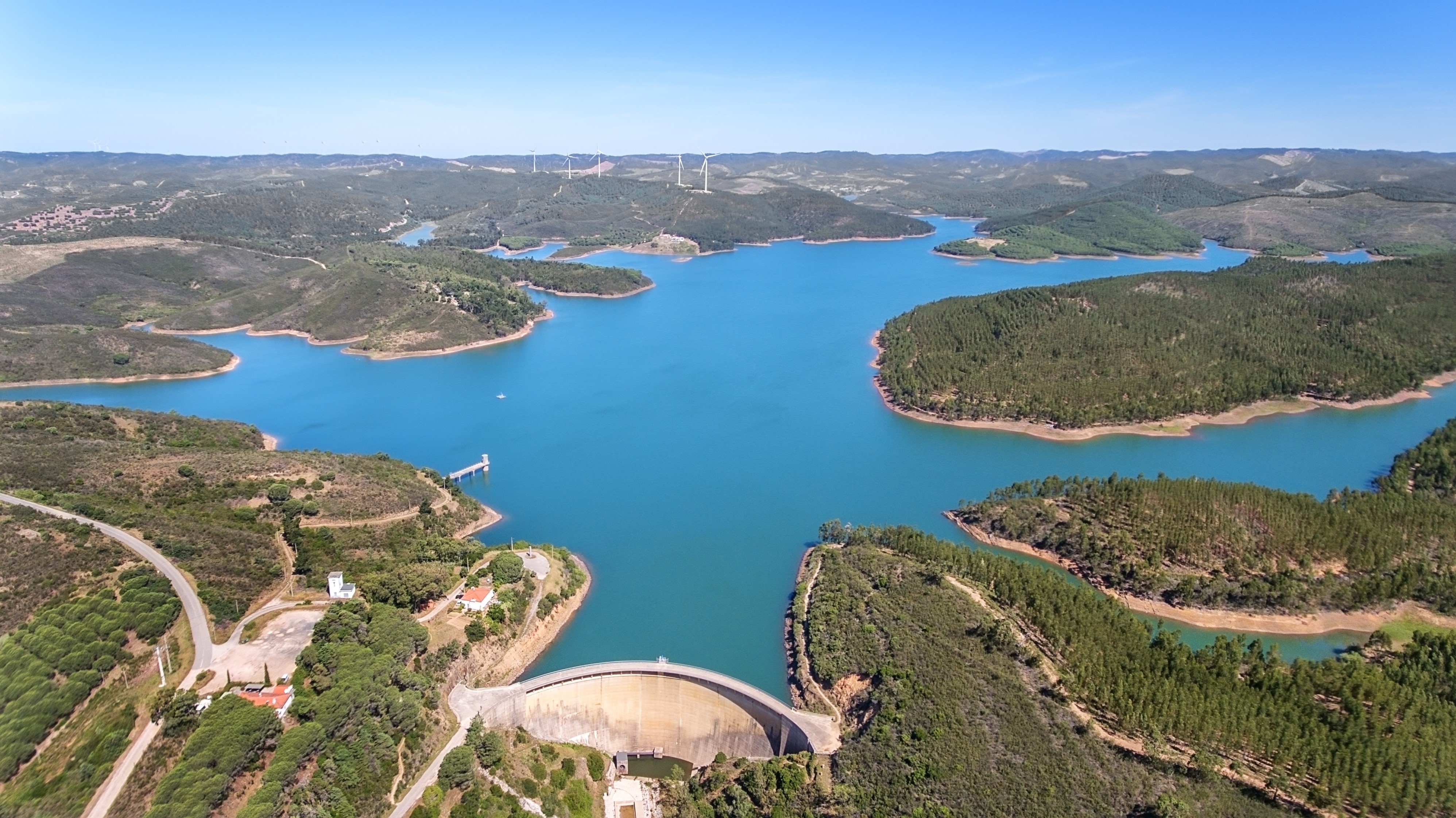
The vast, sun-drenched plains of Alentejo, Portugal's largest region, are a veritable treasure trove for wine enthusiasts. Renowned for its robust reds, crisp whites, and unique 'talha' wines, Alentejo offers an immersive journey into viticulture. Our guide unveils 20 fascinating wineries, inviting you to explore their cellars, learn about their craft, and, of course, savour their exceptional produce amidst stunning landscapes.
A Taste of Alentejo's Viticulture
Alentejo's winemaking tradition stretches back millennia, influenced by Roman and Moorish cultures, yet it has blossomed into a modern powerhouse, producing some of Portugal's most celebrated wines. The region boasts eight distinct sub-regions — Borba, Redondo, Reguengos, Vidigueira, Évora, Granja-Amareleja, Moura, and Portalegre — each contributing to the diversity of its wine portfolio. Key red grape varietals include Aragonez (Tempranillo), Trincadeira, Alicante Bouschet, and Touriga Nacional, yielding full-bodied, aromatic wines. For whites, Antão Vaz, Arinto, and Roupeiro (Síria) are prominent, creating fresh and often mineral-driven expressions. Beyond the modern techniques, many estates preserve the ancient tradition of 'vinho de talha' – fermenting and ageing wine in large clay amphorae, offering a unique taste of history. The Alentejo landscape itself, dotted with cork oaks, olive groves, and historic towns, provides a picturesque backdrop for these viticultural adventures, making every visit a holistic sensory experience.Planning Your Winery Tour
Navigating the Alentejo's sprawling vineyards requires a bit of planning to maximise your experience. The most comfortable way to navigate the region and visit multiple estates is with a private driver — we recommend our local partner Portugal Magik. This allows you to relax and fully enjoy the wine tastings without concern. Consider visiting during spring (April-May) for pleasant weather and blooming landscapes, or autumn (September-October) to witness the bustling harvest season. Summer (July-August) can be intensely hot, making early morning or late afternoon visits preferable. Always book your winery tours and tastings in advance, as many operate by appointment, particularly smaller, family-run estates. A typical visit might last 1.5 to 2 hours, including a tour of the facilities and a guided tasting. Factor in travel times: Évora to Reguengos de Monsaraz is approximately a 40-minute drive, while Évora to Estremoz is around 45 minutes. Combining your wine tour with visits to Alentejo's historical gems, such as the UNESCO World Heritage city of Évora or the enchanting village of Monsaraz, will enrich your cultural immersion.To fully appreciate Alentejo's wines, pace yourself during tastings and remember to use the provided spittoons. Stay hydrated with water between samples to cleanse your palate and ensure a pleasant, responsible experience.
Frequently Asked Questions
What is the typical cost of a winery tour in Alentejo?
The cost of winery tours and tastings varies significantly. Basic tastings might be budget-friendly, while premium tours, which include extensive wine selections, food pairings, or unique experiences, will be more expensive. We recommend checking the official websites of individual wineries for current pricing or requesting a tailored quote for bespoke experiences.
Are reservations required for winery visits?
Yes, reservations are highly recommended, and often mandatory, especially for tours in English or during peak season. Booking in advance ensures availability and allows the winery to prepare for your visit, offering a more personalised experience.
What should I wear when visiting Alentejo wineries?
Comfortable, casual attire is generally appropriate. You'll likely be walking through vineyards and cellars, so comfortable shoes are a must. In summer, light clothing and a hat are advisable, while in spring and autumn, layers are best for varying temperatures.
Can I purchase wine directly from the wineries?
Absolutely! Most Alentejo wineries have a shop where you can purchase their wines directly, often at cellar-door prices. Many also offer shipping services, which can be convenient for international visitors.
Are children welcome at Alentejo wineries?
Policies vary by winery. Many larger estates with restaurants, accommodation, or specific activities (like farm animals) are family-friendly. However, smaller, more focused tasting rooms might be less suitable for children. It's always best to inquire directly with the winery when booking.
What are the usual opening hours for Alentejo wineries?
Opening hours differ significantly between wineries, especially between larger estates and smaller, family-run operations. Most are open during standard business hours on weekdays, with some offering weekend appointments. Always check the specific winery's website or contact them directly for their current operating hours.