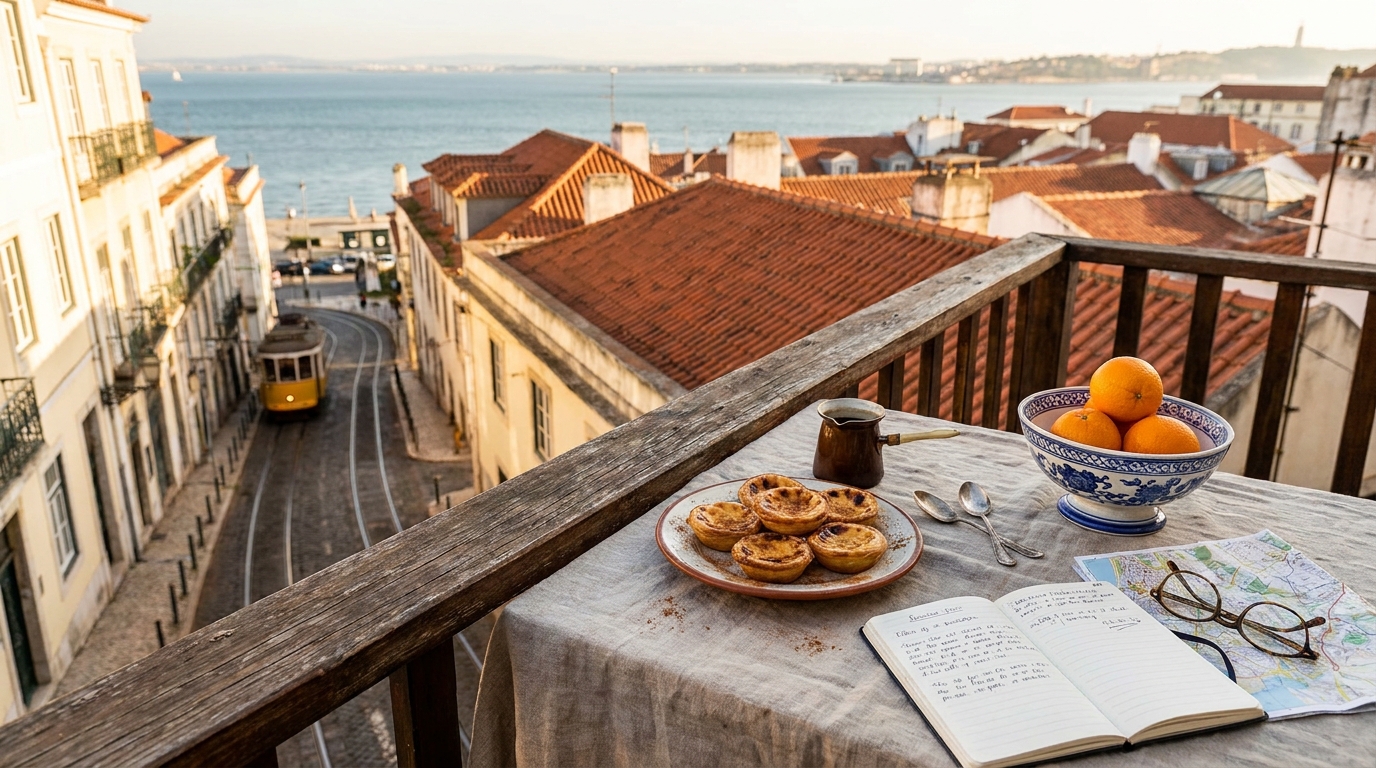
The pastel de nata, a small, creamy custard tart with a perfectly caramelised top and a flaky crust, stands as a quintessential symbol of Portuguese gastronomy. Originating from the skilled hands of monks in Lisbon, this iconic sweet has captivated palates worldwide. Embark on a delightful journey through Lisbon to discover where to find the most authentic and delectable pastéis de nata, ensuring a truly memorable culinary experience.
What Makes a Perfect Pastel de Nata?
At its heart, a truly exceptional pastel de nata is a symphony of textures and flavours. The pastry should be incredibly thin, crisp, and multi-layered, shattering delicately with each bite, a testament to expert lamination. The custard filling, traditionally made with egg yolks, sugar, and milk, must be rich and velvety, striking a harmonious balance between sweetness and a subtle eggy depth. Crucially, the surface should boast a beautiful, dark caramelisation, often with delightful charred spots, achieved by baking at an intensely high temperature. This charring imparts a unique flavour profile, adding a hint of bitterness that perfectly complements the creamy sweetness. While often served simply, a dusting of cinnamon or powdered sugar is a popular addition, enhancing the tart's aromatic qualities. Understanding these elements is key to appreciating the craft behind Lisbon's most beloved sweet.Where to Find Lisbon's Best Pastéis de Nata
Lisbon boasts a wealth of establishments crafting this beloved pastry, each with its own loyal following. The undisputed original is **Pastéis de Belém**, located near the Jerónimos Monastery. Here, the tarts are still made using a secret recipe dating back to 1837, served warm with optional cinnamon and powdered sugar. Expect queues, but the experience of tasting history is worth it. For a more contemporary take, **Manteigaria** has quickly become a favourite, with locations in Chiado and the Time Out Market. Their pastéis are made hourly, ensuring they are always warm and fresh, announced with a cheerful bell ring. **Fábrica da Nata**, with outlets in Baixa and Rossio, offers a similar focus on freshness in a vibrant setting. For those seeking award-winning quality, **Aloma** has several locations across the city and has garnered numerous accolades. Finally, for a taste of elegance and history, **Confeitaria Nacional**, one of Lisbon's oldest bakeries, offers a superb pastel de nata in a grand, traditional setting. Exploring these spots is best done on foot, or by using a taxi, Uber, or Bolt for convenience across the city. Should you wish to embark on a broader gastronomic tour across Portugal, arranging a private driver offers unparalleled comfort and flexibility.Always ask for your pastel de nata 'quente' (warm) for the best experience. The warmth enhances the creamy texture and the crispness of the pastry. Don't forget the dusting of cinnamon and powdered sugar – it's part of the tradition!
Frequently Asked Questions
What is the typical price range for a pastel de nata?
Pastéis de nata are generally very budget-friendly, making them an accessible treat for everyone. You'll find them priced affordably across the city, often making them one of the most economical and delicious indulgences.
Are there vegetarian or vegan options for pastéis de nata?
The classic pastel de nata is inherently vegetarian, made with eggs and dairy. However, traditional vegan versions are extremely rare. You might occasionally find a vegan interpretation in dedicated vegan cafés, but it will not replicate the traditional recipe and texture.
Is there a dress code for visiting bakeries or cafés?
No, there is no specific dress code for visiting bakeries or pastelarias in Lisbon. Casual attire is perfectly acceptable, as these are informal and welcoming establishments catering to locals and visitors alike.
Is tipping customary when buying pastéis de nata?
Tipping is not strictly expected for simply purchasing a pastel de nata at the counter. However, if you opt for table service for your coffee and pastry, leaving a small tip (e.g., rounding up the bill or a euro or two) is a kind gesture for good service, though it is not mandatory.
Do I need to make reservations to visit these bakeries?
No, reservations are not necessary for bakeries or pastelarias. Most operate on a walk-in basis, and while popular spots can be busy, you can usually find space to enjoy your treat, often standing at the counter during peak times.
What are the typical opening hours for pastelarias in Lisbon?
Most pastelarias open early, often around 7:00 AM or 8:00 AM, and typically close in the evening, usually between 7:00 PM and 10:00 PM. Highly popular or historic locations like Pastéis de Belém may have extended hours, especially on weekends, so it's always wise to check their specific times if you plan a late visit.