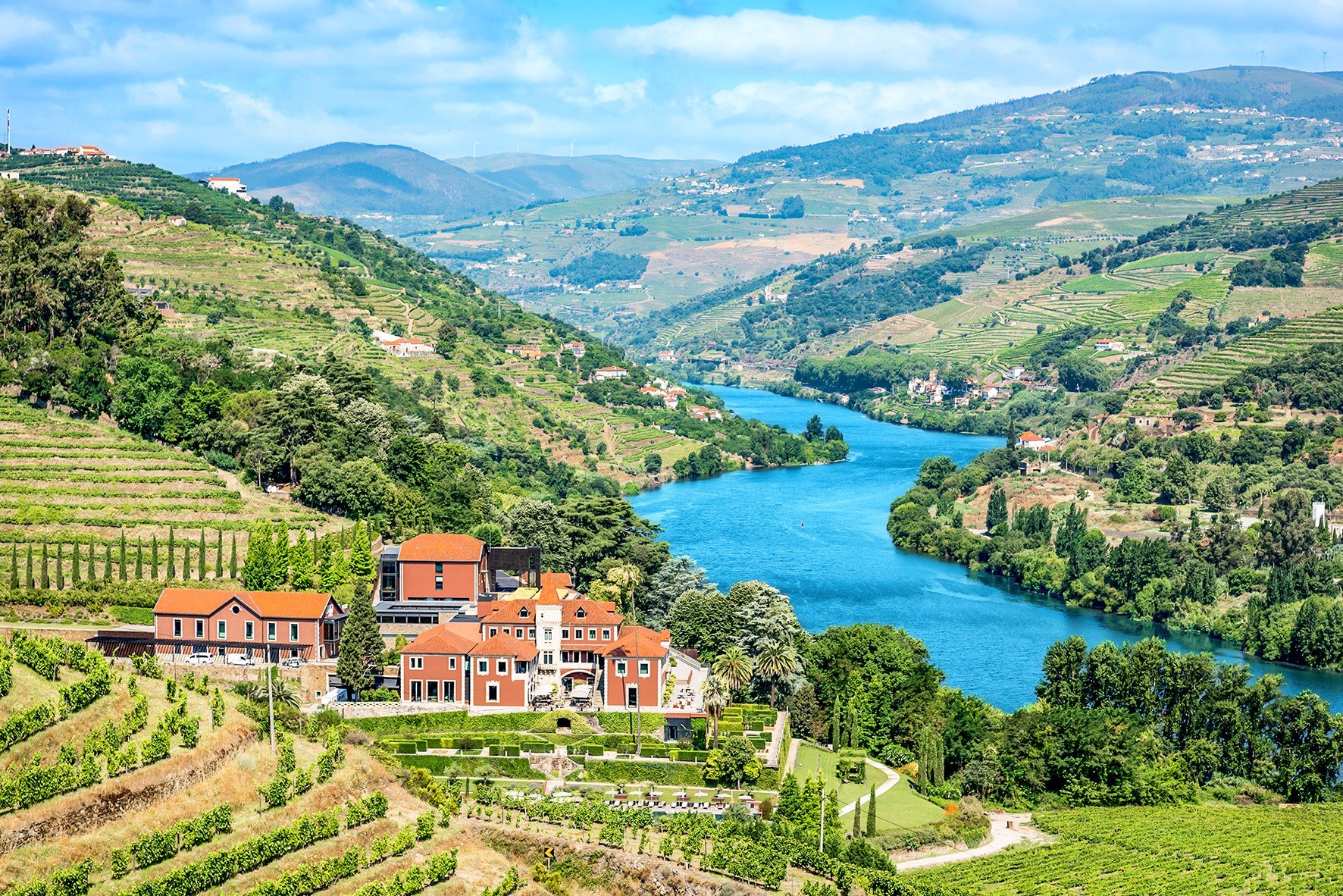
Escape the vibrant bustle of Lisbon for a day and journey north to the breathtaking landscapes of Peneda Geres, Portugal's only national park. This expansive natural sanctuary offers a dramatic contrast to the city, inviting you into a world of ancient forests, cascading waterfalls, and traditional mountain villages. A day trip here promises an unforgettable immersion in wild Portuguese nature and culture.
Why Peneda Geres Should Be on Your Portugal Itinerary
Peneda Geres is a jewel in Portugal's crown, a vast protected area spanning mountains, valleys, and rivers along the Spanish border. It is a haven for biodiversity, home to wild Garrano horses, Roe deer, and an array of birdlife, all thriving within diverse ecosystems ranging from oak forests to high-altitude moorlands. Beyond its natural splendour, the park is steeped in history and culture. Ancient Roman roads, megalithic tombs, and traditional granite villages like Soajo and Castro Laboreiro dot the landscape, offering a glimpse into a way of life that has remained largely unchanged for centuries. The dramatic scenery, combined with opportunities for hiking, kayaking, and exploring charming settlements, makes Peneda Geres an essential destination for anyone seeking to experience Portugal's wild heart. It provides a profound sense of tranquillity and adventure, a perfect antidote to urban life and an enriching addition to any travel itinerary.Getting from Lisbon to Peneda Geres
Reaching Peneda Geres from Lisbon requires a journey north, typically taking around 3.5 to 4 hours by car, covering a distance of approximately 380 to 400 kilometres, depending on your specific destination within the park. The most comfortable and efficient way to embark on this extensive day trip is with a private driver, allowing you to relax and enjoy the changing Portuguese landscape. We recommend our local partner Portugal Magik for a seamless, door-to-door experience, ensuring you make the most of your time exploring the park without the stress of navigating unfamiliar roads. The drive itself offers picturesque views of Portugal's interior, transitioning from the rolling plains of the Alentejo to the greener, more mountainous terrain of the north. Planning for an early start is crucial to maximise your day in this expansive natural wonder.Best Time to Visit Peneda Geres
The ideal time to visit Peneda Geres largely depends on your preferred activities. Spring (April to June) is arguably the most beautiful season, as the landscape bursts into vibrant greens and wildflowers, and the weather is pleasantly mild for hiking. Waterfalls are often at their fullest during this period, fed by winter rains. Summer (July and August) brings warmth, making it perfect for swimming in the natural pools and rivers, but it is also the busiest time, with more visitors. Autumn (September to October) offers crisp air, stunning autumnal colours, and fewer crowds, creating excellent conditions for trekking and enjoying the tranquillity of the park. Winter (November to March) transforms Geres into a rugged, often snow-capped wonderland, particularly at higher altitudes. While some roads or trails might be less accessible, it offers a stark, serene beauty for those seeking solitude, though many facilities might be closed. Always check local weather conditions before your visit, especially if planning activities that depend on good weather.Always wear sturdy, comfortable walking shoes, even if you plan only light strolls, as many paths can be uneven. Pack plenty of water, especially during warmer months, and respect the natural environment by taking all rubbish with you.
Sample Day Trip Itinerary: Lisbon to Peneda Geres
An early start from Lisbon is paramount for a successful day trip to Peneda Geres. Aim to depart by 7:00 AM. Your private driver will whisk you north, arriving at the park's southern entrance, perhaps near the village of Gerês or Campo do Gerês, by 11:00 AM. Begin your exploration with a visit to the Miradouro da Pedra Bela for breathtaking panoramic views, setting the tone for the natural beauty ahead. Next, head towards one of the park's iconic waterfalls, such as the Cascata do Tahiti, where you can enjoy the natural pools (weather permitting) or simply admire the scenery. For lunch, choose a traditional restaurant in a local village like Gerês, savouring regional specialities. In the afternoon, perhaps visit the Santuário de Nossa Senhora da Peneda or explore the historic granaries (espigueiros) in Soajo. Alternatively, a short, accessible trail, such as part of the Trilho da Mizarela, can provide a deeper immersion into the park's flora and fauna. Depart from Peneda Geres by 5:00 PM to ensure a comfortable return to Lisbon, arriving back by approximately 9:00 PM.Frequently Asked Questions
What is the distance from Lisbon to Peneda Geres?
Peneda Geres National Park is approximately 380 to 400 kilometres north of Lisbon, depending on your specific entry point into the park.
How can I get from Lisbon to Peneda Geres?
The most convenient way to travel from Lisbon to Peneda Geres for a day trip is by arranging a private driver, ensuring comfort and efficiency for the long journey.
Is a day trip from Lisbon to Peneda Geres worth it?
While a long day, a day trip to Peneda Geres is incredibly rewarding for nature enthusiasts and those seeking to experience Portugal's wild landscapes, offering a stark and beautiful contrast to Lisbon.
How much time is needed to explore Peneda Geres?
A day trip allows for a concentrated experience of a specific area within Peneda Geres. However, to truly appreciate its vastness and diverse offerings, a longer stay of two or more days is recommended.
What is Peneda Geres famous for?
Peneda Geres is famous for being Portugal's only national park, known for its stunning waterfalls, ancient oak forests, traditional mountain villages, wild Garrano horses, and rich biodiversity.
Is Peneda Geres suitable for families?
Yes, Peneda Geres is suitable for families, offering various activities from gentle walks and natural swimming spots to wildlife spotting and exploring charming villages. Always consider the age and fitness levels of children when planning activities.