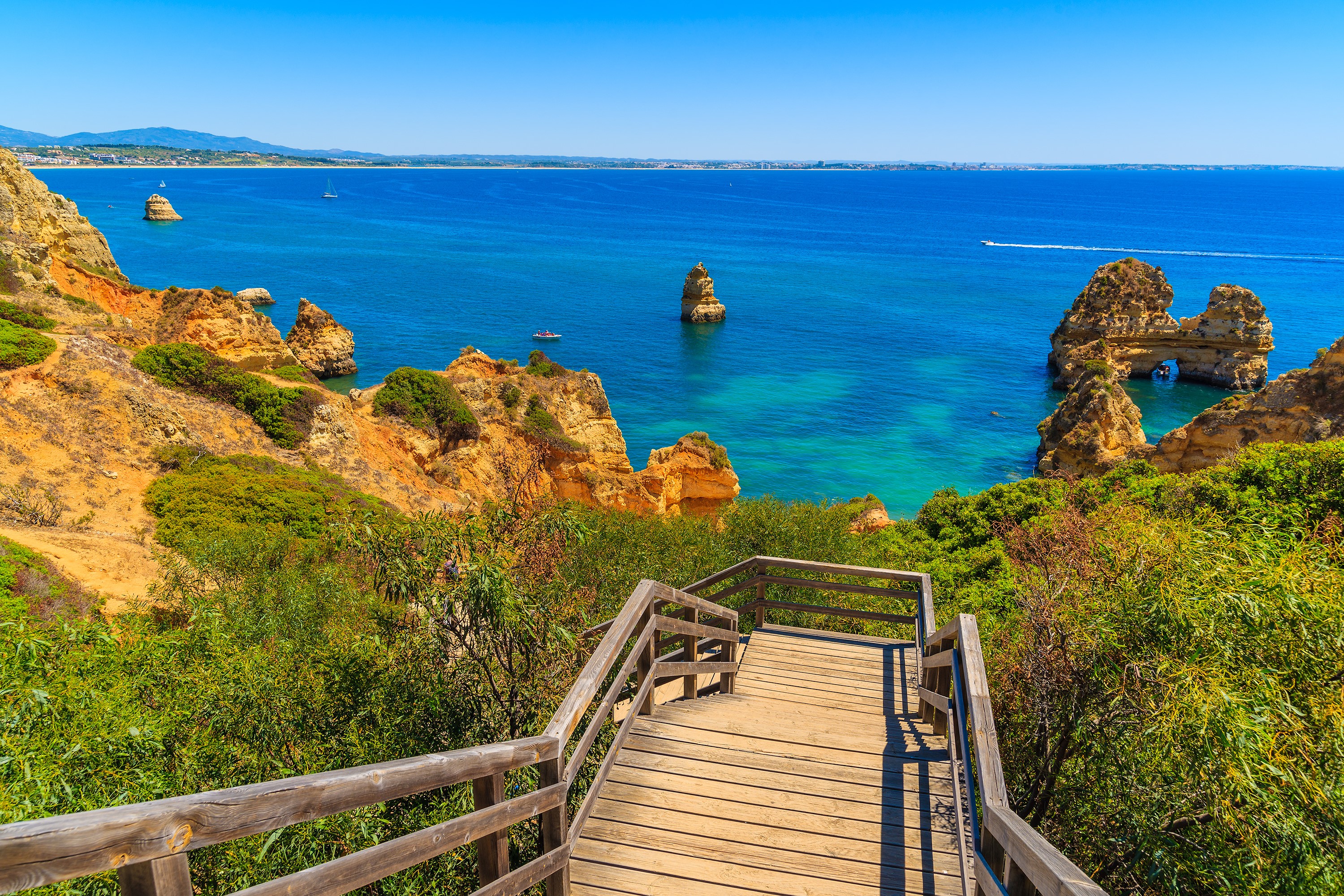
Escape the bustling energy of Lisbon for a refreshing day trip into the verdant heart of the Algarve – Monchique. Nestled high in the Serra de Monchique mountains, this charming town offers a dramatic contrast to Portugal’s coastal plains, inviting visitors to discover a world of lush forests, natural springs, and breathtaking vistas. It's an ideal retreat for those seeking tranquility, natural beauty, and authentic regional flavours.
Why Monchique Should Be on Your Portugal Itinerary
Monchique presents a unique facet of the Algarve, far removed from its famous beaches. Here, the landscape is dominated by the majestic Serra de Monchique, a range of rolling hills and cork oak forests that serve as a natural lung for the region. The air is crisp, the greenery abundant, and the pace of life wonderfully unhurried. The town itself, with its whitewashed houses clinging to the hillside, exudes a timeless charm. Visitors are drawn to Monchique for its therapeutic thermal springs at Caldas de Monchique, known since Roman times for their healing properties, and for the panoramic views from Fóia and Picota, the highest points in the Algarve. Beyond the scenery, Monchique is a haven for foodies, famous for its traditional gastronomy, including succulent black pork, free-range chicken piri-piri, and the potent medronho spirit. It’s a place where you can truly connect with Portugal's natural heritage and enjoy a sense of peace that is increasingly rare.Getting from Lisbon to Monchique
Monchique is located approximately 250 to 260 kilometres south of Lisbon, in the western Algarve. The journey typically takes around 2.5 to 3 hours, depending on traffic and specific route taken. The most comfortable and convenient way to reach Monchique from Lisbon for a day trip is with a private driver, allowing for flexibility and comfort throughout your journey. This option provides a seamless, door-to-door experience, enabling you to relax and enjoy the changing landscapes as you travel south. Your driver can also offer insights into the region and adapt the schedule to your preferences, making stops as desired. We recommend our local partner Portugal Magik for a seamless experience, ensuring you arrive refreshed and ready to explore the mountain wonders. Once in Monchique, walking is the best way to explore its charming, narrow streets and various viewpoints.Best Time to Visit Monchique
Monchique offers a distinct charm throughout the year, but the best time to visit largely depends on your preferences. Spring (March to May) is particularly beautiful, with the hillsides bursting into bloom with wildflowers, and temperatures pleasantly mild for hiking. Autumn (September to November) also offers agreeable weather, vibrant foliage, and the chance to witness the local harvest. During the summer months (June to August), Monchique provides a welcome respite from the intense heat of the Algarve coast, with cooler temperatures due to its altitude. While it can still be warm, the mountain air is noticeably fresher. Winter (December to February) brings cooler, sometimes rainy, weather, but the landscape remains lush and green, and often less crowded. For those interested in the thermal springs, Caldas de Monchique is open year-round, offering a relaxing retreat regardless of the season.Wear comfortable walking shoes suitable for cobbled streets and uneven terrain, especially if you plan to explore the hiking trails or the convent ruins. Bring layers of clothing as mountain weather can change quickly, even in summer.
Sample Day Trip Itinerary: Lisbon to Monchique
A day trip to Monchique from Lisbon can be structured to maximise your experience of this unique region. Depart Lisbon early in the morning, perhaps around 8:00 AM, to ensure ample time for exploration. Your private driver will whisk you south, arriving in Monchique by late morning. Begin your visit with an ascent to Fóia, the highest point, to take in the breathtaking views and capture some memorable photographs. Afterwards, descend into Monchique town for a traditional Portuguese lunch at one of the local eateries, savouring the regional specialities. In the afternoon, you could choose to either explore the historic Caldas de Monchique thermal village, perhaps enjoying a coffee in its serene surroundings, or visit the atmospheric ruins of the Convento de Nossa Senhora do Desterro for more stunning vistas. Before heading back, take some time to browse the local craft shops for unique souvenirs. Aim to depart Monchique by late afternoon, around 5:00 PM, for a comfortable return to Lisbon by early evening. This itinerary offers a balanced blend of scenic beauty, cultural insight, and culinary delights, all made effortlessly accessible with a private driver.Frequently Asked Questions
How far is Monchique from Lisbon?
Monchique is approximately 250 to 260 kilometres south of Lisbon, nestled in the western Algarve mountains.
What is the best way to get to Monchique from Lisbon?
The most comfortable and efficient way to travel from Lisbon to Monchique is with a private driver, offering a direct and flexible journey.
Is Monchique worth visiting for a day trip?
Absolutely. Monchique offers a refreshing contrast to coastal areas, with stunning mountain landscapes, thermal springs, and authentic regional cuisine, making it a highly rewarding day trip.
How much time should I allocate for a Monchique day trip?
Given the 2.5 to 3-hour drive each way, a full day (approximately 10-12 hours total, including travel) is ideal to comfortably explore Monchique and its surroundings.
What is Monchique most famous for?
Monchique is most famous for its stunning mountain scenery, the therapeutic thermal springs of Caldas de Monchique, its traditional gastronomy (especially black pork and medronho), and panoramic views from Fóia, the Algarve's highest point.
Is Monchique suitable for families?
Yes, Monchique is suitable for families, offering gentle hikes, interesting ruins, and the unique experience of thermal waters. Children might enjoy the views and exploring the charming town, though some activities might be more suited for older children.