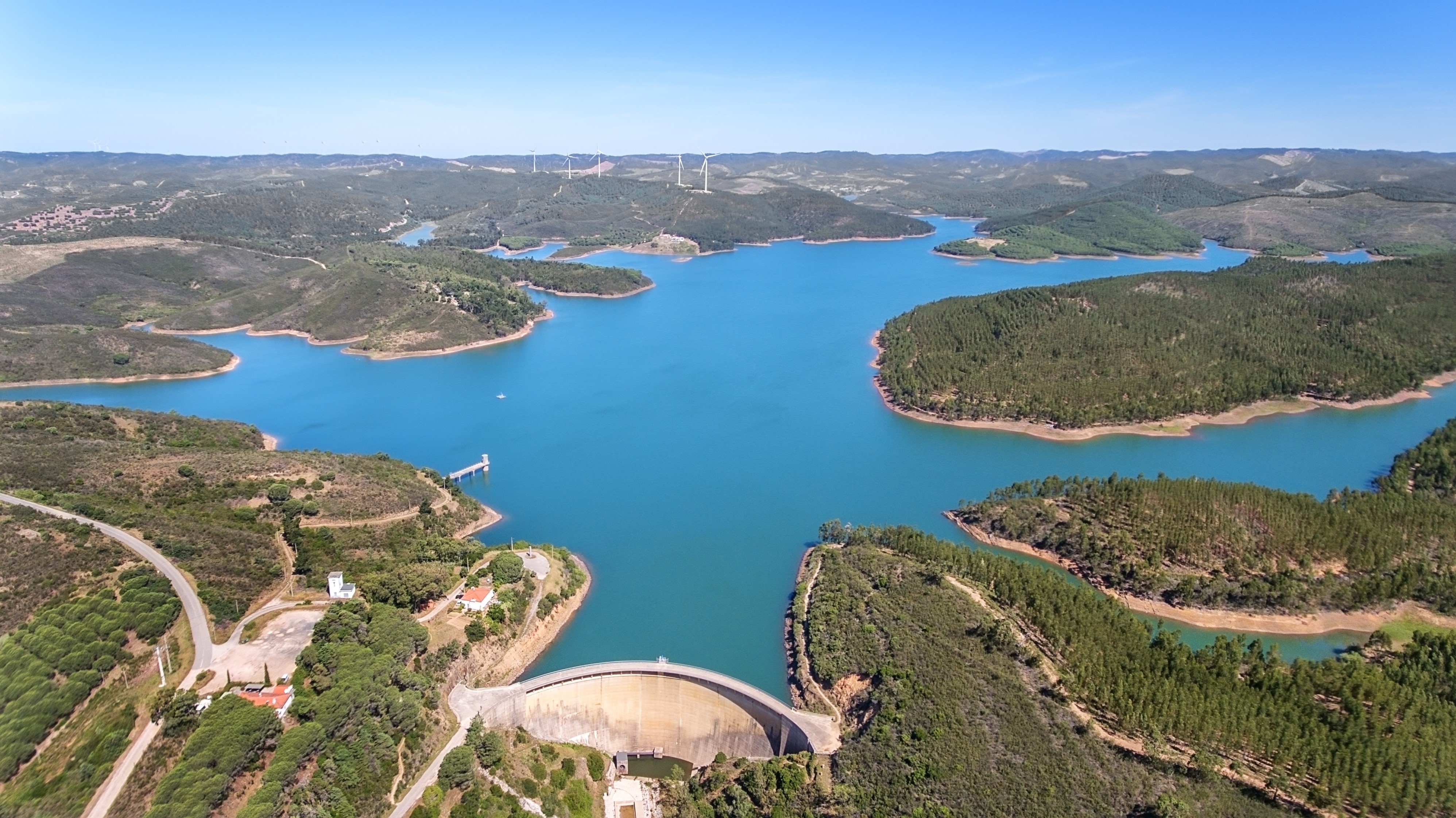
Embark on a captivating day trip from Lisbon to Évora, a UNESCO World Heritage site nestled in the heart of Portugal's Alentejo region. This ancient city, famed for its remarkably preserved Roman and medieval architecture, offers a profound glimpse into centuries of Portuguese history. Prepare to be enchanted by its atmospheric streets, historic landmarks, and the unique charm of the Alentejo.
Why Évora Should Be on Your Portugal Itinerary
Évora stands as a living museum, a testament to Portugal's rich and complex past, making it an unmissable destination for history enthusiasts and cultural explorers alike. Its designation as a UNESCO World Heritage site underscores its outstanding universal value, boasting a collection of monuments that span millennia, from the Roman era to the Renaissance. The city's well-preserved historic centre is a labyrinth of narrow streets, whitewashed houses, and charming squares, inviting visitors to wander and discover hidden gems at every turn. Beyond its architectural grandeur, Évora offers a deep dive into the authentic Alentejo way of life. This region is celebrated for its distinctive cuisine, renowned wines, and a slower pace of life that provides a refreshing contrast to the bustling capital. A day trip here allows you to experience the vast, sun-drenched landscapes of the Alentejo, dotted with cork oak trees and olive groves, and to savour the quiet beauty of Portugal's interior. From the solemnity of its ancient bones to the vibrant energy of its university, Évora promises a memorable and enriching cultural experience that perfectly complements a stay in Lisbon.Getting from Lisbon to Évora
Évora is conveniently located approximately 130 kilometres east of Lisbon, making it an ideal destination for a day trip. The drive typically takes around 1 hour and 30 minutes, depending on traffic conditions, offering scenic views of the Alentejo countryside as you leave the capital. The most comfortable and efficient way to reach Évora is with a private driver — we recommend our local partner Portugal Magik. This option provides a seamless door-to-door service, allowing you to relax and enjoy the journey without the concerns of navigation or parking. A private transfer ensures flexibility for your schedule and the opportunity to make stops along the way if you wish, enhancing your overall experience of the region. Upon arrival in Évora, the compact nature of the historic centre makes it very walkable, allowing you to explore most attractions on foot.Best Time to Visit Évora
Évora, like much of the Alentejo, experiences hot, dry summers and mild, somewhat rainy winters. The best time to visit for a day trip is generally during the spring (April to June) or autumn (September to October). During these months, the weather is pleasantly warm, ideal for exploring the city's outdoor attractions and wandering its historic streets without the intense heat of July and August. Spring brings blooming wildflowers to the surrounding countryside, while autumn offers comfortable temperatures and the start of the olive and grape harvests. Visiting in the shoulder seasons also means fewer crowds compared to the peak summer months, allowing for a more relaxed and intimate experience of Évora's treasures. If you do visit in summer, be sure to plan your outdoor activities for the cooler mornings and late afternoons, taking advantage of shaded cafes during midday.While Évora is known for its heavy, flavourful cuisine, remember to try a glass of local Alentejo wine – the region produces some of Portugal's finest vintages.
Sample Day Trip Itinerary: Lisbon to Évora
A well-planned day trip ensures you capture the essence of Évora without feeling rushed. Start your journey from Lisbon bright and early, aiming to arrive in Évora by mid-morning. Begin your exploration at the iconic Roman Temple and the adjacent Évora Cathedral, allowing ample time to climb to the roof for breathtaking views. From there, make your way to Praça do Giraldo for a coffee break, soaking in the city's lively atmosphere. Dedicate the late morning to the sobering yet captivating Chapel of Bones and the nearby Church of São Francisco. For lunch, choose one of Évora's excellent traditional restaurants to savour authentic Alentejo flavours. In the afternoon, take a leisurely stroll through the University of Évora's historic courtyards and wander along sections of the Aqueduto da Água de Prata. If time permits, a visit to the Évora Museum can round off your cultural immersion. Before heading back to Lisbon in the late afternoon, perhaps enjoy a final glass of local wine or pick up some regional produce as a souvenir. This itinerary allows for a comprehensive yet relaxed visit, showcasing Évora's most significant historical and cultural highlights.Frequently Asked Questions
How far is Évora from Lisbon?
Évora is approximately 130 kilometres (80 miles) east of Lisbon, making it an ideal distance for a day trip.
What is the best way to get from Lisbon to Évora?
For comfort and flexibility, the most recommended way to travel from Lisbon to Évora is with a private driver. This offers a seamless, door-to-door experience.
Is Évora worth visiting for a day trip?
Absolutely. Évora's UNESCO World Heritage status, rich history, stunning architecture, and unique Alentejo culture make it a highly rewarding day trip destination from Lisbon.
How much time do I need to explore Évora?
A full day is sufficient to explore Évora's main attractions, including the Roman Temple, Cathedral, Chapel of Bones, and the historic city centre, allowing for a leisurely pace and a traditional Alentejo meal.
What is Évora most famous for?
Évora is most famous for its remarkably preserved historic centre, a UNESCO World Heritage site, featuring a Roman Temple, a grand Cathedral, and the macabre Chapel of Bones.
Is Évora a good day trip destination for families?
Yes, Évora is suitable for families. Its walkable historic centre, fascinating history (especially the Chapel of Bones for older children), and open spaces offer an engaging experience for various age groups.