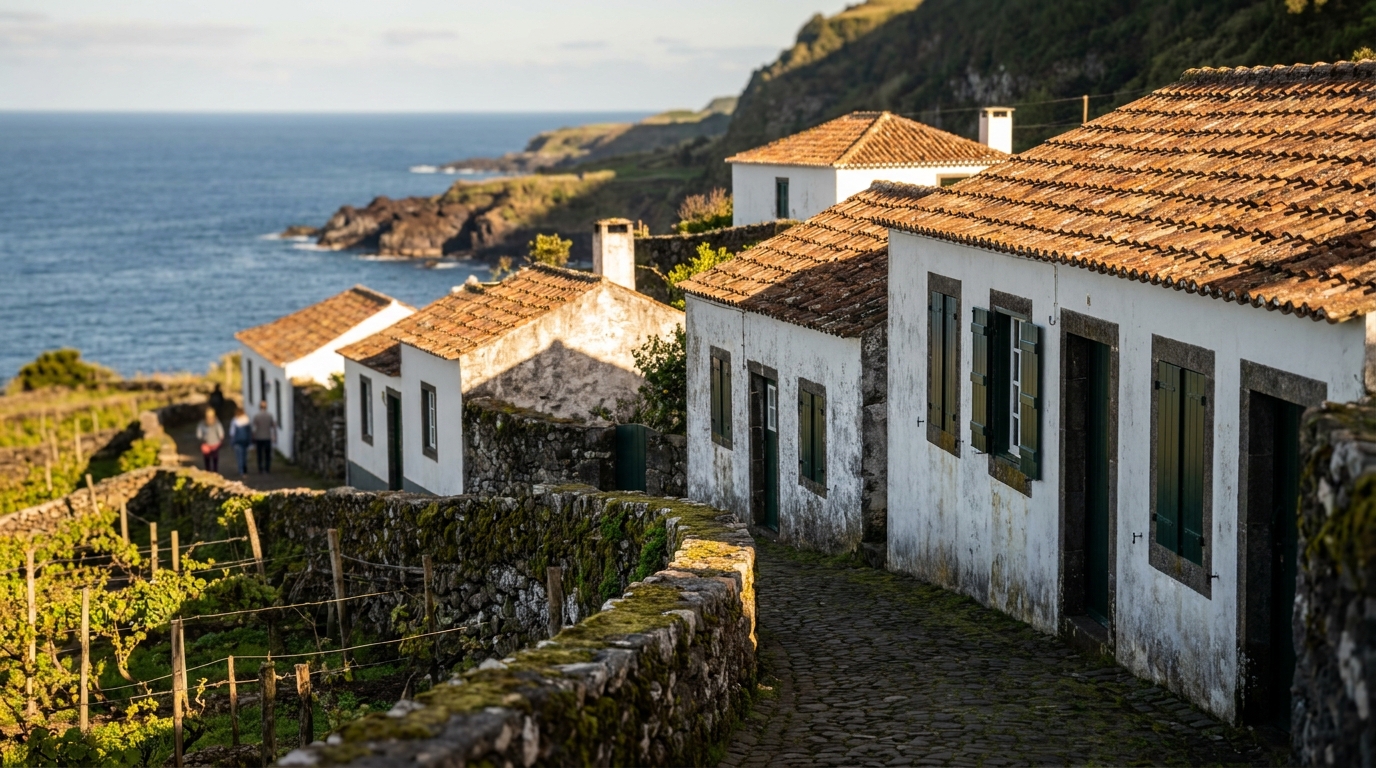
Portugal boasts two stunning archipelagos in the Atlantic, each offering a distinctly different island experience: Madeira and the Azores. While both are renowned for their breathtaking natural beauty and volcanic origins, they cater to varied preferences. This honest comparison will delve into what makes each destination unique, helping you decide which Portuguese gem aligns best with your travel aspirations.
Overview of Madeira
Perched off the northwest coast of Africa, the Madeira archipelago, with its main island often simply called Madeira, is a verdant paradise known for its dramatic cliffs, lush subtropical gardens, and charming capital, Funchal. This 'Pearl of the Atlantic' is characterised by its rugged volcanic landscape, which has been meticulously sculpted by nature and enhanced by human ingenuity, particularly through its intricate network of 'levadas' – ancient irrigation channels now popular hiking trails. The climate is mild year-round, making it an ideal destination for those seeking a gentle escape, whether for leisurely walks amidst exotic flora at the Monte Palace Tropical Garden or exploring the historic streets of Funchal. Madeira offers a more established tourism infrastructure, providing a comfortable and accessible holiday experience. Beyond the famed levada walks, visitors can enjoy exhilarating cable car rides offering panoramic views, delve into the island's rich wine heritage with a tasting of Madeira wine, or simply relax by the natural volcanic swimming pools. The island is also home to vibrant festivals and a burgeoning culinary scene that blends traditional flavours with modern innovation. For a change of scenery, the golden sands of Porto Santo island are a short flight or ferry journey away, offering a stark contrast to Madeira’s dramatic green landscapes. Madeira presents a polished, yet wild, natural beauty, making it perfect for those who appreciate comfort alongside adventure.Overview of Azores
Further out in the Atlantic, roughly a two-hour flight from mainland Portugal, lies the Azores archipelago, a collection of nine volcanic islands that are a true haven for nature enthusiasts and adventure seekers. Unlike Madeira’s single main island focus, the Azores offer a multi-island experience, each with its own distinct character. São Miguel, the largest island, is often the entry point, famous for its iconic Sete Cidades crater lake, geothermal hot springs in Furnas, and lush tea plantations. The islands boast a raw, untamed beauty, with dramatic coastlines, verdant pastures, and towering volcanic peaks like Mount Pico, Portugal's highest point. The climate is more varied, influenced by the Atlantic, leading to frequent shifts in weather that only add to its mystique. The Azores are less developed for mass tourism, fostering a more authentic and immersive connection with nature. Activities here lean towards the adventurous: whale and dolphin watching, canyoning, surfing, and exploring lava tubes. The culinary scene is robustly authentic, featuring unique dishes like 'Cozido das Furnas', cooked underground by volcanic heat. For those yearning for an escape into a truly wild and pristine environment, where the power of nature is palpable at every turn, the Azores deliver an unforgettable experience.The Verdict — Which Should You Choose
Deciding between Madeira and the Azores ultimately hinges on your personal travel style and priorities. If you envision a holiday filled with stunning, accessible natural beauty, comfortable infrastructure, and a touch of refined elegance, Madeira is likely your ideal choice. It’s perfect for those who appreciate scenic walks, beautiful gardens, and a vibrant city like Funchal, all within a relatively compact and easily navigable destination. Madeira suits travellers seeking relaxation combined with moderate activity, offering a well-rounded and sophisticated island experience. Conversely, if your heart yearns for raw, untamed landscapes, a deeper immersion in nature, and a more adventurous, multi-island exploration, the Azores will undoubtedly captivate you. This archipelago appeals to the eco-conscious traveller, the hiker, the whale watcher, and anyone seeking an authentic connection with the powerful forces of a volcanic environment. While navigating the Azores requires a bit more planning due to inter-island travel, the rewards are immense, offering an unparalleled sense of discovery and a truly off-the-beaten-path feel. Both archipelagos promise unforgettable memories, but their distinct characters ensure a unique Portuguese island adventure for every kind of traveller.Consider the time of year carefully, as weather patterns and sea conditions can significantly influence your experience and available activities in both archipelagos, particularly for marine excursions in the Azores.
Frequently Asked Questions
Which island is better for families?
Both archipelagos offer family-friendly activities, but Madeira often presents a slightly easier experience due to its more developed infrastructure and single main island focus. Funchal offers attractions like the cable car and botanical gardens, while levada walks can be tailored to various difficulty levels. The Azores, with its multi-island setup and focus on more adventurous activities, might appeal to families with older children seeking active exploration.
Which island is better for hiking?
Both are exceptional for hiking, but they offer different styles. Madeira is renowned for its unique 'levada' walks, offering relatively flat, scenic paths through lush landscapes, suitable for varied fitness levels. The Azores, however, provide more rugged, challenging volcanic hikes, often leading to crater lakes or along dramatic coastlines. Your preference for engineered paths versus wilder, more strenuous trails will guide your choice.
How long should I plan for each archipelago?
For Madeira, a stay of 5 to 7 days is generally sufficient to explore the main island and perhaps take a day trip to Porto Santo. For the Azores, given its nine distinct islands, a minimum of 7 to 10 days is recommended, especially if you plan to visit two or three islands. To truly appreciate the diversity of the archipelago, two weeks would allow for a more leisurely multi-island itinerary. Getting around the islands comfortably, especially if you wish to see several, is best managed with a private driver, and our local partner Portugal Magik can provide a tailored quote for such a service.
Are there direct flights from mainland Portugal to both archipelagos?
Yes, both Madeira (Funchal Airport) and the Azores (primarily Ponta Delgada on São Miguel, but also other islands) have direct flight connections from Lisbon and Porto on mainland Portugal, making them easily accessible. Flight durations are typically around 1.5 to 2 hours.
Which island has better beaches?
Neither archipelago is primarily known for extensive sandy beaches in the same vein as the Algarve. Madeira offers smaller, often pebbly beaches and natural volcanic swimming pools, with the notable exception of Porto Santo island, which boasts a spectacular 9km golden sand beach. The Azores also feature many dark sand volcanic beaches and natural rock pools, alongside a few small golden sand areas. If golden sand beaches are a top priority, Porto Santo, near Madeira, is the clear winner.