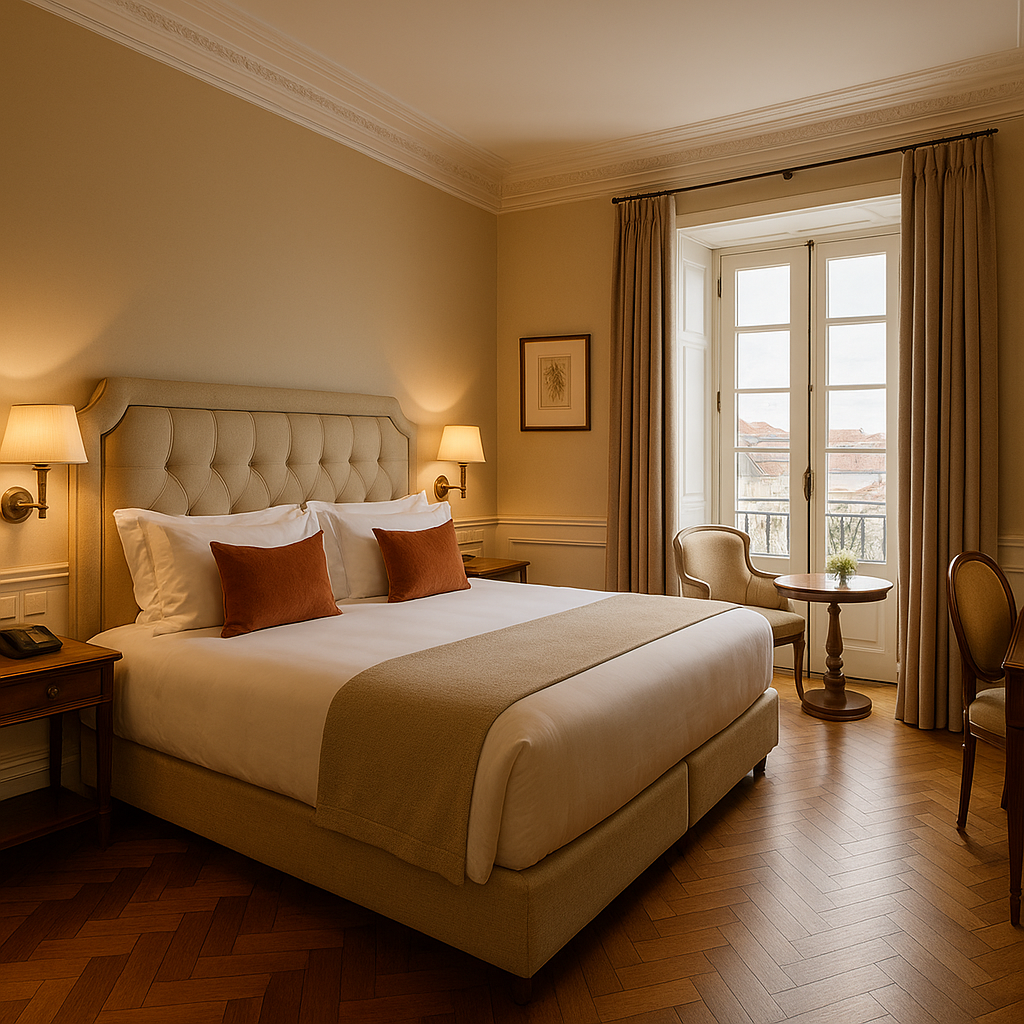
Step into a world of regal splendour at the Ajuda National Palace, Lisbon's last official royal residence. This magnificent palace offers a captivating glimpse into the lives of the Portuguese monarchy during the 19th century, showcasing an impressive collection of decorative arts, furniture, and exquisite interiors. Prepare to be enchanted by its rich history and enduring elegance.
Why Visit Exploring Majestic Ajuda National Palace in Lisbon
The Ajuda National Palace stands as a pivotal historical landmark, distinguishing itself as the only Portuguese royal palace that was purposefully inhabited by the monarchy up until the establishment of the Republic in 1910. Unlike other palaces, it offers a remarkably preserved snapshot of royal life from the mid-19th century through to the early 20th century, particularly during the reign of King Luís I and Queen Maria Pia. Visitors are treated to an authentic experience, wandering through the very rooms where kings, queens, and their court lived, entertained, and governed. The palace’s interiors are a testament to the period's lavish tastes, featuring a stunning array of decorative arts, including intricate tapestries, elaborate furniture, fine porcelain, and a significant collection of paintings and sculptures. Its location, perched on a hill overlooking the Tagus River, also provides a sense of grandeur and historical importance, offering a quieter, more intimate exploration compared to some of Lisbon's busier attractions. It's an essential stop for anyone wishing to delve deeper into Portugal's royal heritage and artistic legacy.History & Background
The origins of Ajuda National Palace are rooted in one of Portugal's most devastating events: the 1755 Lisbon earthquake. Following the destruction of the Royal Ribeira Palace, the royal family initially resided in a temporary wooden structure known as the 'Real Barraca' (Royal Shack) on the Ajuda hill. Plans for a grander, permanent stone palace were soon drawn up, with construction commencing in 1796 under the direction of Manuel Caetano de Sousa. The initial Neoclassical design was ambitious, but political turmoil, including the Napoleonic invasions and the subsequent move of the Portuguese court to Brazil, severely hampered its progress. The palace remained unfinished for decades, undergoing various architectural modifications by subsequent designers such as Francisco Xavier Fabri, José da Costa e Silva, and António Francisco Rosa. It was only in the mid-19th century, particularly during the reign of King Luís I and Queen Maria Pia, that the palace truly came into its own as a royal residence. The interiors were then sumptuously decorated in a blend of Neoclassical and Romantic styles, reflecting the tastes of the time. Despite its grandeur, the palace was never fully completed according to its original colossal plans, leaving a striking contrast between its finished and unfinished sections. After the proclamation of the Republic, the palace transitioned into a museum, preserving the memory and legacy of the Portuguese monarchy.How to Get There
The Ajuda National Palace is situated in the Ajuda district, west of Lisbon's city centre, not far from the historic Belém area. From central Lisbon, such as the Baixa or Chiado districts, a drive to the palace typically takes around 15 to 25 minutes, depending on traffic conditions. The most comfortable way to reach Ajuda National Palace is with a private driver — we recommend our local partner Portugal Magik. Alternatively, a taxi or ride-sharing service like Uber or Bolt offers a convenient local transport option. While it is possible to walk from Belém, be aware that the palace is uphill, requiring a moderate climb.To make the most of your visit and avoid potential crowds, we recommend arriving at Ajuda National Palace shortly after its opening time, especially on weekdays. Purchasing your admission tickets online in advance, if available, can also help streamline your entry and save valuable time.
Tickets & Practical Info
Access to the Ajuda National Palace requires an admission ticket. For the most current information regarding ticket prices, any available concessions, and detailed opening hours, it is always advisable to consult the official Ajuda National Palace website directly. The palace features a gift shop where visitors can find souvenirs and books related to Portuguese history and art. Restroom facilities are available on-site. While efforts have been made to improve accessibility for visitors with reduced mobility, due to the historical nature of the building, some areas may present challenges. It is recommended to contact the palace in advance for specific accessibility details and assistance.Frequently Asked Questions
What are the opening hours for Ajuda National Palace?
The palace typically operates with specific opening hours, often closing on Tuesdays and certain public holidays. It's always best to consult the official Ajuda National Palace website for the most current schedule, as these can vary.
How much does it cost to enter Ajuda National Palace?
Ticket prices for Ajuda National Palace vary depending on age, concessions, and whether any temporary exhibitions are running. For the most up-to-date pricing information, please refer to the official palace website.
How long should I allocate for a visit to Ajuda National Palace?
A thorough visit to Ajuda National Palace generally takes between 1.5 to 2.5 hours, allowing ample time to appreciate the various chambers, art collections, and historical context without feeling rushed.
Is Ajuda National Palace accessible for visitors with limited mobility?
The palace has made efforts to improve accessibility, with some areas offering ramp access or lifts. However, due to its historical nature, certain sections may still present challenges for visitors with limited mobility. It is advisable to contact the palace directly for specific accessibility details.
Are there dining options or places to eat near the palace?
While the palace itself does not feature extensive dining options, the surrounding Ajuda and Belém districts offer a range of cafés, pastelerias, and restaurants where you can enjoy a delightful meal or a quick snack.
Is photography allowed inside Ajuda National Palace?
Photography without flash is generally permitted in most areas of the palace for personal use, though restrictions may apply to certain exhibits or for commercial purposes. Always observe any posted signage or staff instructions regarding photography.