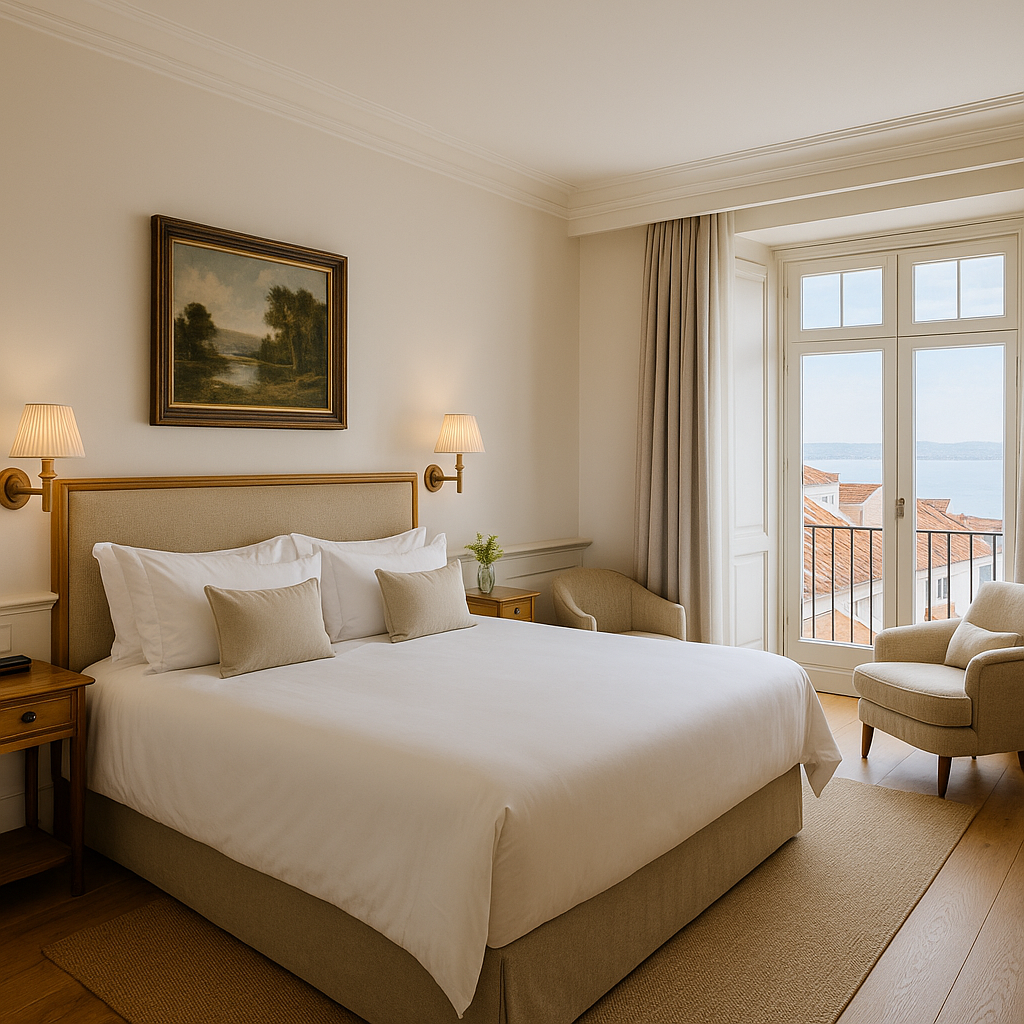
Step back in time to an era of kings, queens, and opulent grandeur with a journey to Portugal's magnificent royal palaces. Just a short distance from the vibrant capital of Lisbon, these architectural marvels offer a captivating glimpse into centuries of Portuguese heritage and aristocratic life. Prepare to be enchanted by their lavish interiors, intricate designs, and breathtaking surrounding landscapes.
Why Visit Explore the Royal Splendors 5 Must Visit Palaces Near Lisbon
Visiting the royal palaces near Lisbon is an unparalleled experience that transports you directly into the heart of Portugal's regal past. Each palace tells a unique story, showcasing distinct architectural styles from mediaeval to Baroque and Romanticist, reflecting the tastes and power of different monarchs. Beyond their stunning façades, you’ll discover meticulously preserved interiors adorned with priceless art, antique furnishings, and intricate tilework (azulejos) that speak volumes of bygone eras. The surrounding gardens, often sprawling and exquisitely designed, provide serene escapes and picturesque backdrops for exploration. From the whimsical charm of Sintra to the monumental scale of Mafra, these sites are not merely buildings but living museums, offering profound insights into the nation's cultural identity, political history, and artistic evolution. It’s an opportunity to walk in the footsteps of royalty and truly feel the pulse of a glorious empire.History & Background
Portugal's royal history spans many centuries, from its foundation as a kingdom in the 12th century through to the establishment of the First Republic in 1910. The palaces scattered around Lisbon stand as enduring monuments to this rich lineage, each reflecting the prevailing architectural and artistic trends of its construction period. The Sintra National Palace, for instance, boasts mediaeval origins, continuously evolving over centuries with Manueline and Renaissance additions. The vibrant Pena Palace, a 19th-century Romanticist masterpiece, symbolises the peak of the Portuguese monarchy's decorative ambition. The Queluz National Palace exemplifies the grandeur of 18th-century Rococo, often likened to a smaller Versailles, while the colossal Mafra National Palace represents the Baroque extravagance funded by Brazilian gold. Finally, the Neoclassical Ajuda National Palace, the last official royal residence, saw the final years of the monarchy. These residences were not just homes but centres of power, culture, and diplomacy, hosting lavish courts and witnessing pivotal moments in Portuguese history.How to Get There
Exploring these magnificent palaces comfortably and efficiently is best achieved with a private driver. This allows for a flexible itinerary tailored to your preferences, ensuring you can visit multiple sites without the hassle of navigating unfamiliar roads or parking. For instance, Sintra, Queluz, and Mafra are typically within a 30 to 50-minute drive from central Lisbon, depending on traffic. The Ajuda National Palace is located within Lisbon itself, making it easily accessible for a shorter journey. We recommend our local partner Portugal Magik for seamless private transfers and tours.To make the most of your visit, consider starting your day early, especially for the popular Sintra palaces, to avoid the largest crowds. Purchasing tickets online in advance directly from the official palace websites is highly recommended, as this can significantly reduce queuing times upon arrival, allowing you more time to explore.
Tickets & Practical Info
Admission to these royal palaces typically requires a ticket. While some offer combined tickets for multiple sites within a complex (e.g., in Sintra), it is always advisable to check the official websites for each specific palace to confirm current ticket prices, opening hours, and any special exhibitions. Many sites offer reduced rates for seniors, students, and children. Photography is generally permitted for personal use, though flash photography and tripods are often prohibited inside the palaces to protect the artefacts. Wear comfortable shoes, as there can be considerable walking involved, especially when exploring extensive gardens.Frequently Asked Questions
What are the typical opening hours for the palaces?
Opening hours for the palaces vary by season and specific site. Most palaces typically open around 9:30 AM or 10:00 AM and close between 5:00 PM and 6:00 PM, with some operating shorter hours in winter. It is always best to consult the official website of each palace prior to your visit for the most up-to-date schedule, including any public holiday closures.
How much do tickets cost?
Ticket prices vary depending on the palace and whether you opt for a combined ticket covering multiple attractions or a single entry. General admission is typically a mid-range cost per adult. Many sites offer discounted rates for children, seniors, and students. To ensure you have the most accurate information, please check the official websites of the specific palaces you plan to visit for current pricing details and any available package deals.
How long should I allocate for visiting each palace?
The time required to visit each palace can range significantly. For smaller palaces like Queluz or Ajuda, you might comfortably spend 1.5 to 2 hours exploring. Larger complexes, such as Pena Palace or the Sintra National Palace, often require 2.5 to 3 hours, especially if you wish to explore their extensive gardens. The monumental Mafra National Palace, with its palace, basilica, and monastery, could easily take 3 to 4 hours to fully appreciate.
Are the palaces accessible for visitors with mobility issues?
Accessibility varies across the palaces due to their historical nature. Some palaces, particularly those with older structures and multiple levels, may have limited accessibility for visitors with mobility impairments, often involving stairs. However, many sites are continuously working to improve access, offering ramps or lifts in certain areas. It is highly recommended to contact the specific palace directly or check their official website for detailed accessibility information before planning your visit.
Are there food options available near the palaces?
Each palace is typically situated near charming towns or within a short drive of areas offering various dining options. In Sintra, the historical centre boasts numerous restaurants and pastry shops. Queluz has local eateries nearby, and Mafra offers choices in its town centre. For Ajuda, being within Lisbon, you'll find a wide array of cafes and restaurants in the surrounding neighbourhoods. Options range from traditional Portuguese cuisine to lighter snacks and refreshments.
Is photography allowed inside the palaces?
Photography for personal, non-commercial use is generally permitted inside the palaces, allowing visitors to capture the beauty of the interiors and exteriors. However, flash photography is almost universally prohibited to protect delicate artworks and furnishings. The use of tripods or professional equipment often requires special permission. Always observe any signage or instructions from staff regarding photography rules within each specific palace.